Whether they’re in the cultural heart of Bali in Ubud or relaxing on the pristine shores of Nusa Dua, discerning travellers on the island often find they can sense something intangible but profound here.
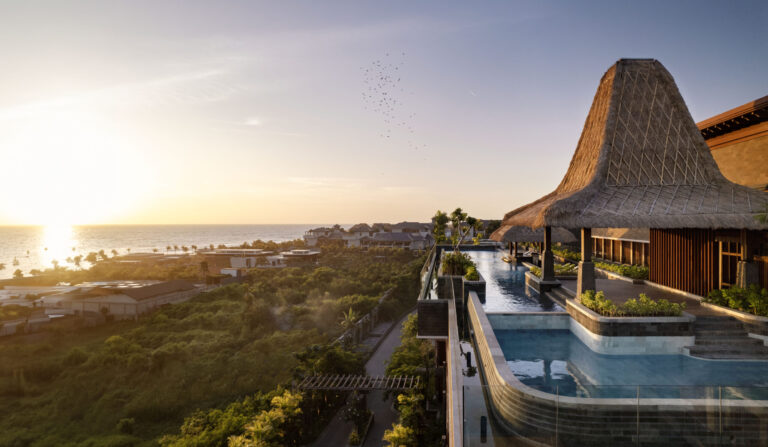
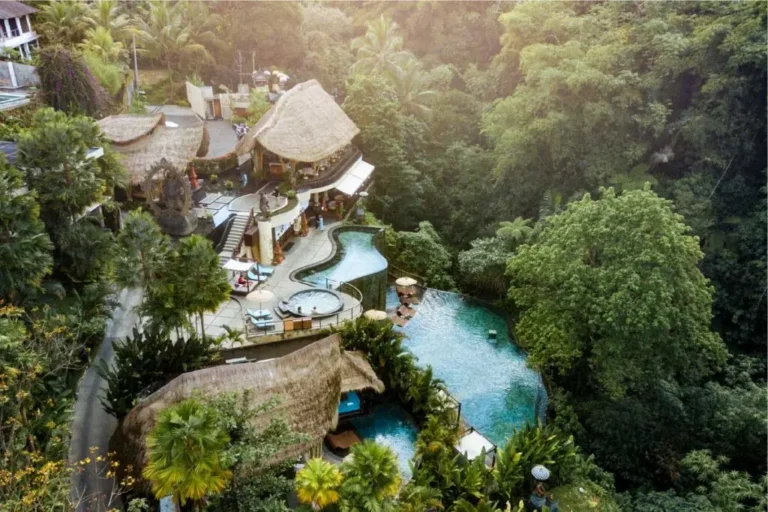
It doesn’t stem from the perfect poses in Yoga schools on clifftops basked in the sun’s early light or the flawless views from infinity pools above jungle canopies and rice paddies. It’s the deep, harmonious calm that permeates the island.
And this stems from Tri Hita Karana, Bali’s ancient philosophy, which stresses balance between man, nature and the divine and sustains the culture and the people of the island now and for centuries past.
This isn’t mere folklore; it’s the secret sauce behind the unforgettable experiences that people have in Bali. It’s what drives everything from sustainable luxury resorts to the agricultural system, which is Bali’s only World Heritage Site, and it’s what keeps people coming back year after year.
In this world of overtourism and shallow Instagram moments, understanding Tri Hita Karana helps to transform your Bali trip from a vacation into a meaningful journey of connection and renewal.
What Is Tri Hita Karana? The Three Causes of Well-Being For Balinese People
The phrase “Tri Hita Karana” is derived from Sanskrit, and it means “the three causes of prosperity” or maybe “the three sources of happiness”. The idea is quite simple; it asserts that real well-being arises from harmony between the three interconnected realms of:
- Parahyangan – Harmony with the Divine (or God)
- Pawongan – Harmong among and between People (that is, community and social relations)
- Palemahan – Harmony with the Natural World (your environment)
It is firmly rooted in the Balinese-Hindu practices, and this philosophy has been used to guide daily life on the island, from temple offerings (such as canang sari) to the communal rice irrigation system (Subak); it all stems from Tri Hita Karana.
Unlike some abstract Western wellness trend, this is a practical and lived philosophy. It is used to guide village governance, family rituals, architecture and even modern hospitality practices. For travellers who want more depth than just parties and infinity pools, it offers a framework for a more intentional kind of travel.
Parahyangan: Finding Spiritual Harmony And Inner Peace As A Soulful Traveller
People often arrive in Bali wanting more than just relaxation; they’re looking for reconnection, even though they may not always be able to articulate this need.
The concept of Parahyanga addresses this need directly. For locals, it comes in the devotion to the one true God, Sang Hyang Widhi Wisa, and his myriad manifestations in the Balinese Hindu pantheon.
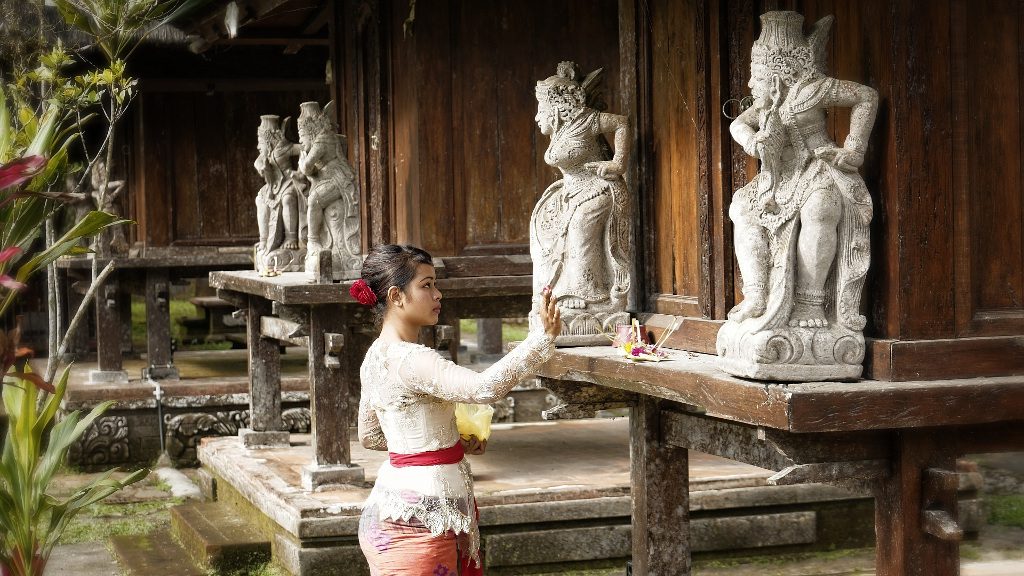
Imagine starting a day on the island with a visit to a temple where the air is filled with incense and the sound of the gamelan orchestra. Or maybe you’re participating in a water purification ritual (known as melukat) at a sacred spring in a place like Tirta Empul.
These things aren’t tourist gimmicks; they are literal pathways to the divine. Many high-end wellness resorts and establishments now incorporate visits to places like this for that very reason.
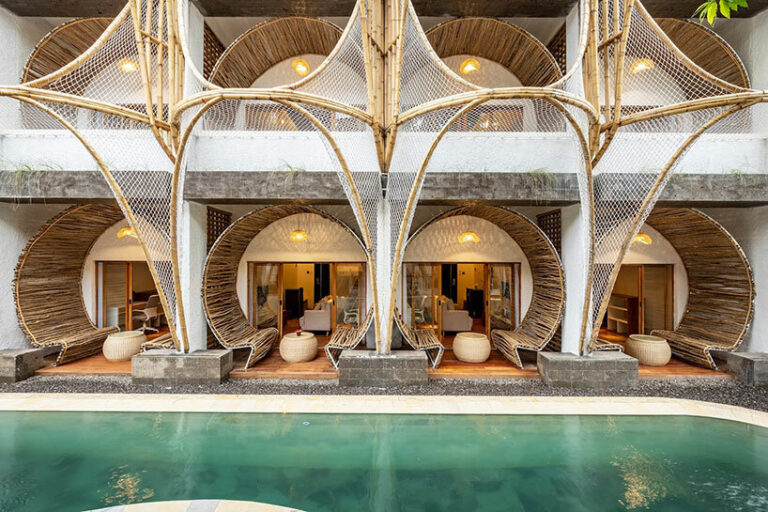
In hospitality spaces, you can find that the design elements align with Tri Hita Karana, and you’ll often find temples within your resort, see daily offerings left at the entrances, and be able to enjoy meditation sessions that are aligned with lunar cycles.
We’ve found that many guests here report profound shifts within themselves; they say they have reduced anxiety, clearer minds, a sense of belonging and, most of all, a new sense of purpose.
Engaging with Parahyangan means choosing experiences that truly respect Balinese spirituality, which means skipping overcrowded tourism and opting for intimate village ceremonies or private blessings with local priests. This pillar of Tri Hita Karana helps to remind us that true luxury includes feeding our souls, not just our senses.
Pawongan: Making Human Connections To Enrich Your Bali Journey
The legendary hospitality culture of Bali didn’t arise by accident. It flows from the concept of Pawongan, the emphasis placed on harmonious relationships and real communal cooperation (gotong royong).
The authentic traveller demands authenticity in their interactions with a place. They want to break bread with a local family, learn traditional crafts, experience agriculture and even join cooking classes that allow them to understand the complex flavours they experience.
This pillar of Tri Hita Karana manifests itself in the warm smiles, personalised service and the genuine pride that Balinese people take in their work.
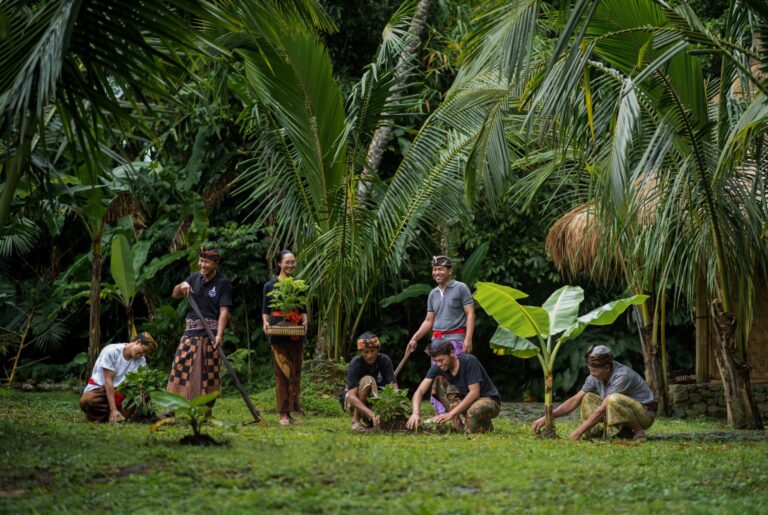
In the industry, you will find that resorts that embody this value prioritise local employment, fair wages, local sourcing and cultural exchange. Their staff usually live nearby and bring village stories and familial warmth to guest interactions.
This helps to create a warm, welcoming atmosphere where you are an honoured guest and not just a transaction.
Practical examples for travellers interested in this pillar include:
- Joining a community-led rice field walk and learning about cooperative farming
- Supporting women’s cooperatives through weaving or spa treatments using traditional techniques
- Participating in village clean-ups or school visits to foster mutual respect and understanding
These interactions help to combat the isolation of modern travel. They work to build empathy and leave you with stories that last longer than any souvenir could. In an era of digital disconnection, Pawongan makes us feel real human bonds that remain after we return home.
Palemahan: Achieving Harmony With Nature -The True Foundation Of Sustainable Luxury Travel
For the environmentally conscious traveller, Palemahan will be the most important pillar of Tri Hita Karana. It demands real respect for the environment as a living entity that helps to sustain us all.
The iconic landscapes of Bali, from towering volcanoes to lush rice terraces to fabulous coral reefs, have thrived because of the previous generations’ dedication to Tri Hita Karana.
The subak system of agriculture, for example, isn’t just an agricultural system; it’s also a spiritual and social network that ensures equitable water distribution across the island while honouring the deities of nature.
Modern challenges such as overtourism, plastic waste, waste management and water scarcity are testing this balance. However, forward-thinking hospitality properties are using Tri Hita Karana as a compass to navigate these hurdles.
Eco-luxury resorts are implementing zero-waste policies, participating in reforestation projects, supporting marine conservation and getting involved in regenerative farming to supply their kitchens.
If you want to align with Palemahan, you can:
- Choose accommodations with verifiable sustainability credentials (avoid greenwashing, and look for real community involvement and support)
- Engage in things like turtle hatchery releases, beach cleanups, reef clean dives, and organic farm-to-table practices
- Support brands that use local, seasonal ingredients and minimise the use of single-use plastics
This will give you a deeper appreciation of Bali’s natural beauty and the knowledge that your visit to the island is contributing positively to the future rather than depleting natural resources.
Why Tri Hita Karana Resonates With Travellers In 2026 And Beyond
An authentic traveller is well-informed, values-driven, curious and seeking transformative experiences. Tri Hita Karana matters because it helps to address the core dissatisfactions related to overtourism:
- Authenticity over Instagram superficiality – it allows you to slow down, observe rituals, and understand context.
- Sustainability with soul – it’s not generic eco-tourism; it’s properly integrated with environmental care and spiritual and social dimensions for real impact.
- Wellness that lasts – it’s the promotion of a balance that people can internalise and apply back home; it involves mindful consumption, community support, real connections and a reverence for nature.
- Cultural respect – it equips you to navigate the local customs gracefully, helps you avoid faux pas and sees you build real goodwill.
Hospitality professionals here in Bali increasingly know how to weave these ideas into their guests’ journeys. From arrival blessings to departure reflections on personal harmony, it helps to elevate a stay from the comfortable to the profound.
Properties that truly embody Tri Hta Karana can see higher levels of guest loyalty and satisfaction in their reviews, which focus on “feeling the magic of Bali”.
Practical Guide: How To Experience Tri Hita Karana On Your Next Bali Visit
We’ve got some very simple tips to help you get the most out of this philosophy on your next Bali holiday:
- Choose mindfully – research your hotels and villas, find places that reference Tri Hita Karana in an authentic way. Many places here integrate this philosophy fully into their operations.
- Engage actively – try to attend a full moon or new moon ceremony, take a Tri Hita Karana inspired wellness program (combining yoga, massage, community service and natural immersion) and learn to make basic offerings or join a Subak tour.
- Travel responsibly – support local guides, eat at family-run warungs and reduce your footprint. Small actions can compound when guided by this philosophy.
- Reflect and integrate – keep a journal on how each pillar manifests itself during your stay. Many people leave Bali with the intention of living more harmoniously wherever they spend their lives.
The Enduring Relevance Of This Philosophy For Bali’s Future And For Yours
Bali faces pressures from its rapid development, but Tri Hita Karana offers a resilient framework for sustainable tourism. That’s not some form of nostalgic idealism, but rather it’s a proven model for balancing growth with preservation, and that’s seen in its UNESCO recognition and in local governance.
For you, the discerning traveller, embracing this means accessing the “real” Bali: a place that heals, inspires and connects. It’s why a simple walk through a village at dusk can feel sacred, or why a conversation with a rice farm can leave you feeling humbled and uplifted.
The most successful brands on the island don’t just sell rooms or views; they invite guests to take part in this philosophy. Those who accept the invitation often say their trip to Bali has been life-changing.
Find Thoughts On Finding Your Harmony In Bali
Tri Hita Karana isn’t some sort of cultural checklist; it’s simply an invitation to live your life in full. For travellers tired of the ordinary, it can offer a path to experiences that nourish you on every level, spiritually, socially and environmentally.
Next time you’re booking a flight to Denpasar, you can pack more than a swimsuit and sunscreen. Bring your sense of curiosity and an open mind. Let the Balinese philosophy of balance guide you, and you’ll discover why so many people call Bali the home of their soul.
Whether you’re seeking a luxury sanctuary that honours traditions or an immersive cultural adventure, Tri Hita Karana ensures that your journey can contribute to the well-being of the island while enriching your own. Ultimately, we think that’s the highest form of travel.
If you’ve enjoyed this article you may also appreciate our piece on Jet Lag Recovery in Bali and our guide to the check-in and check-out timeline here on the island.