There are endless reasons to travel to Bali, from Southeast Asia’s biggest waterpark to the glorious rice terraces to the imposing volcanic landscapes to the stunning coral reefs. Yet, behind this facade there is a fragile ecosystem, and it’s coming under increasing pressure from tourism, development and even climate change.
Conscious travel can make or break the island’s future. Sustainable tourism is no longer a catchy phrase for trend followers; it’s an essential step to preserve Bali’s incredible biodiversity and to support local communities.
Here, we’ll take a closer look at the key conservation initiatives on the island that every mindful traveller should discover. Whether you’re thinking of a luxury stay in an eco-resort or an adventure-filled itinerary, if you understand these efforts, you can travel with real purpose.
Your choices, from where you stay and dine to the activities you take part in, all have a direct impact on the wildlife, forests, marine life and mangrove swamps of this paradise island.
Why Bali’s Biodiversity Matters And Why It’s At Risk
Bali is in the Coral Triangle, which is officially one of the most biologically diverse regions of the ocean in the world. The island also boasts a rich collection of terrestrial and marine habitats such as tropical rainforests, mangrove swamps, savannas and more than 600 coral reefs, which support thousands of aquatic species.
Some of the key highlights of Bali’s biodiversity include:
- Endemic species like the critically endangered Bali Mynah or Bali Starling (Leucopsar rothschildi).
- Marine life such as sea turtles, reef fish, corals, dolphins, sea snakes, and more.
- Terrestrial wildlife, including deer, monkeys, birds, diverse flora and more.
The threats to this biodiversity are very real; they include habitat loss from development, plastic pollution across the island and coastline, unsustainable fishing practices, coral bleaching and overtourism.
However, it’s important to understand that conscious travellers can help to counter these threats. They can support ethical tourism operators, reduce waste, and participate in restoration and clean-up projects.
And this isn’t hard to do; many hotels and tour providers now offer integrated guest experiences that include conservation efforts. This makes for a win-win situation for both visitors and the natural environment.
Terrestrial Conservation: Forests, Sanctuaries, And Iconic Species In Bali
There are many efforts taking place on land to support conservation on the island, and some of the biggest projects are:
West Bali National Park (Taman Nasional Bali Barat)
This is Bali’s only national park, and it covers about 190 square kilometres of the Western edge of the island. It’s the biggest conservation area on the island, and it protects a hugely diverse range of habitats.
There are monsoon forests, savannas, mangroves, coastal ecosystems, jungles and more. It’s home to over 160 different species of birds; there are Javan rusa deer and wild cattle (banteng) and other wild mammalian species and a host of reptiles to be found in this environment.
It’s also crucial to the Bali Starling, which can be found within the confines of the park. Conservation in this part of the island involves habitat protection, anti-poaching, visitor education and breeding programs.
Visitors to West Bali National Park can enjoy guided treks, birdwatching, animal spotting and snorkelling at Menjangan Island (which is the marine section of the park).
However, entry to the park requires both the purchase of permits and engaging the services of local guides to ensure that your presence has no impact on the environment and helps to fund the protection of local species.
How To Support The Park: We recommend that you book eco-tours of the park with certified tourism operators on the island. When you’re there, stick to the trails and try to avoid disturbing the wildlife. Remember that your fees are used to fund maintenance and community programs to support future conservation.
Bali Starling Recovery And Community-Led Sanctuaries
The Bali Starling or Bali Mynah is Bali’s most emblematic species, and it’s a white bird with the most striking blue eye rings. It had become nearly extinct in the wild because of concerted poaching efforts for the pet trade.
However, there is good news for this species, and dedicated efforts on the island have helped local populations to rebound.
Friends of the National Parks Foundation (FNPF) has been the leading player in this extraordinary success story. By working with the local communities on the island of Nusa Penida, FNPF helped to establish the island as a bird sanctuary protected by awig-awig (traditional Balinese customary laws).
The villages on Nusa Penida banned the capture of wild birds, supported reforestation efforts and bred and then released starlings. This community-driven model helped to turn Nusa Penida into a thriving haven for the species, and it’s also helped other endangered bird species.
FPNF also operated sanctuaries here in mainland Bali, and there’s one on Mount Batukaru which focuses on the rescue, rehabilitation and release of captive starlings.
FPNF is not the only sanctuary for this species, and the Bali Wildlife Rescue Centre in Tabanan, for example, is helping to rehabilitate any confiscated or injured birds for the program.
How To Support This Program: We would also visit ethical sanctuaries and bird parks in Bali, which prioritise welfare and release programs. (Do your research; it’s important to avoid anywhere that encourages close human contact with the birds or, worse, carries out performances using the animals).
You can also support by donating, volunteering, or even choosing accommodation that partners with FNPF. On Nusa Penida, you will find that there are plenty of opportunities to engage with the local customs and community and join in with guided nature walks for the Bali Starling.
Marine Conservation: Reefs, Turtles And Mangroves
The underwater environment in Bali is one of the island’s greatest treasures. The coral reefs provide livelihoods for fishermen and attract divers, but sadly, they also face bleaching, destructive practices, poor tourist behaviour and pollution.
Sea turtles are iconic creatures but are threatened by poachers, habitat loss, bycatch and casual interference.
And mangrovers stabilise the shorelines, help to reduce carbon pollution, nurture fish nurseries and combat coastal erosion. Sadly, Bali has lost many of these trees to development.
The good news is that restoration and conservation projects are underway for all three areas of marine conservation.
Coral Reef Restoration Projects In Bali
Initiatives such as the North Bali Reef Conservation project (in Tianyar), help to build artificial reefs that can restore areas in which coral is already severely damaged.
Since 2017, this project has helped to deploy structures that have boosted fish species diversity by up to 10x, according to various studies. It’s also seen a dramatic increase in coral cover in these areas.
This NGO also works with local fishermen to embed no-take zones, to carry out beach cleanups, to reduce fishing waste and to promote sustainable long-term livelihoods.
Other programs in Bali use “reef stars” and/or coral gardening techniques. Many eco-resorts and dive centres participate in these programs and often offer guests the chance to get involved in planting and/or monitoring activities.
If you want to take part in this, you can choose a dive or snorkel operator that is certified in reef-friendly practices. You should also always use reef-safe sunscreen in the water, never touch corals, take part in restoration dives and adopt-a-coral-programs.
Sea Turtle Conservation Programs
Several programs exist to help the turtles, including:
- Bali Sea Turtle Society (BSTS) supports local efforts in Kuta and surrounding areas to patrol nests, relocate eggs to hatcheries, release hatchlings and offer public education efforts
- Projects on Nusa Penida (with IVHQ or GoEco) involve caring for injured turtles, beach cleanups and more education programs.
- Saba Asri Turtle Conservation in East Bali is all about rescuing turtles, rehabilitating them, releasing them and creating community awareness.
We should note that not all turtle projects here are created equal, and some seem more akin to callous exploitation of the creatures rather than being invested in real conservation. Always check out if a place is truly ethical before supporting it.
Many people say that a turtle release is an emotional highlight of their time in Bali, and it’s great to know that they are boosting the species survival rates for green and hawksbill turtles.
If you want to take part, make sure you don’t go for a tourist trap and attend an ethical release event. Don’t buy any products made from turtles. Support centres through donations or volunteer efforts. And always choose accommodation that funds turtle patrols in Bali.
Mangrove Restoration: Nature’s Coastal Guardians
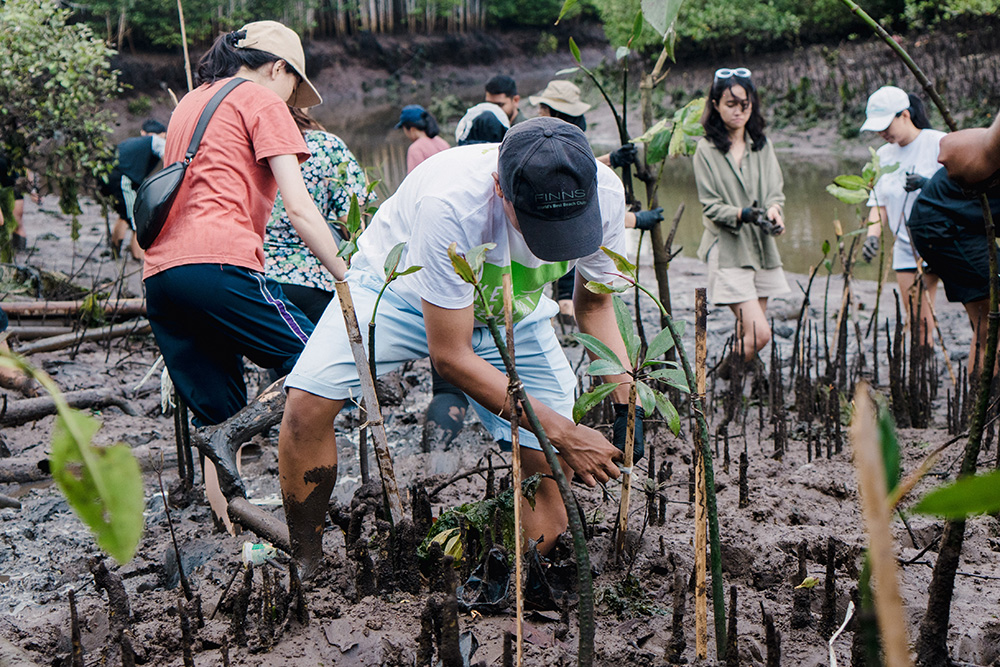
The good news is that mangrove restoration is accelerating on the island thanks to projects that plant thousands of seedlings annually with both community and tourist involvement.
Eco-resorts such as those in the Regenerative Bali program and operators in places like Nusa Lembongan and West Bali National Park often run planting days, canoe tours through the restored mangrove swamps and waste cleanup exercises.
You can get involved by joining in mangrove planting days or taking a canoe tour of the swamps. These are low-impact activities that allow you to learn more while actually restoring the ecosystem. You may find that the tour also includes plastic collection activities to help you link conservation to daily habits.
Community And Cultural Approaches To Conservation In Bali
Bali’s strength lies with its people. The traditional subak system (the UNESCO World Heritage Site that is the island’s unique rice irrigation system) and awig-awig laws help to integrate conservation efforts in the local culture.
UNDP-supported projects empower (adat) customary communities to protect the forests through rituals and sustainable ecotourism.
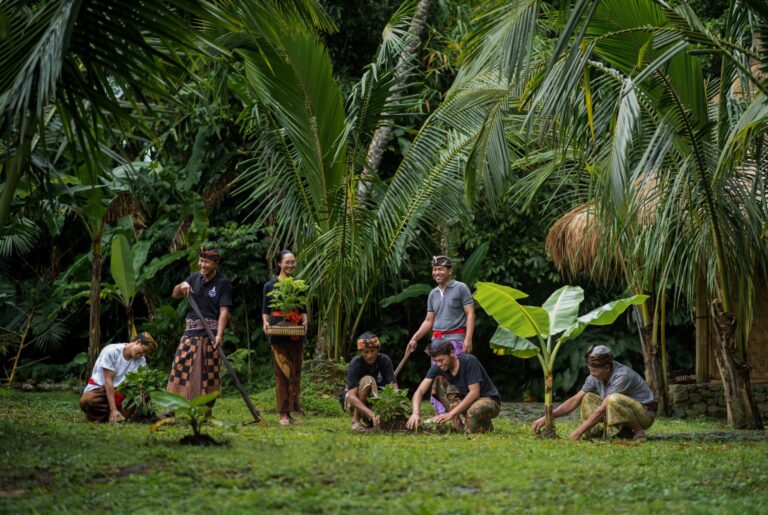
Hotels and villas often have local partners for tree planting, water conservation, waste management and education programs.
Conscious hospitality operators will reduce the use of single-use plastics (Bali has banned these, but enforcement, sadly, is non-existent) and ensure they source sustainably from local communities.
Practical Tips For Conscious Travellers In Bali
We’ve got some tips to help you ensure that you can contribute to conservation and sustainability during your holiday:
- Choose eco-friendly accommodation – always seek out eco-certified and audited establishments. Seek out renewable energy, waste reduction, water conservation, and general environmental conservation projects. Properties around areas like Ubud and Munduk are often great for reforestation efforts.
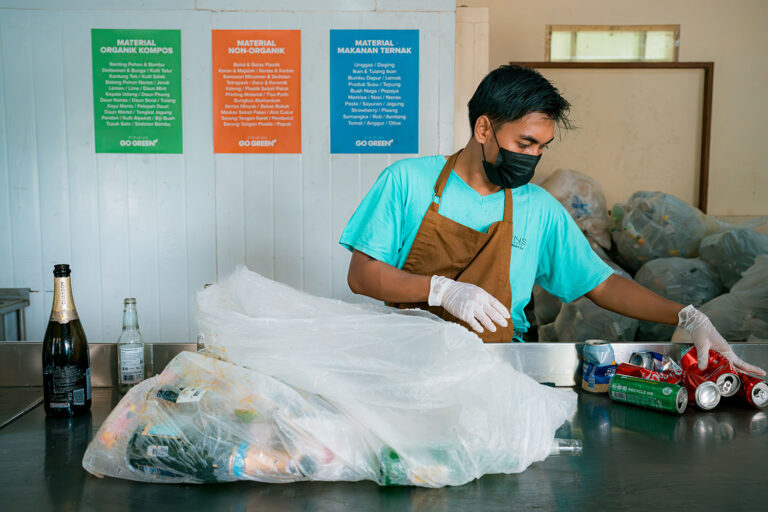
- Minimise waste – always carry a reusable water bottle, bag and straw; don’t use single-use plastics. Take part in clean-up activities in mangrove swamps and on the beaches.
- Support ethical activities – you should always seek out small-group tours with local guides rather than large groups. Don’t get involved in elephant rides, dolphin swimming, animal performances, kopi luwak farming, etc.
- Eat and shop locally – always go for organic, farm-to-table options, ideally with nose to tail policies and shop for fair-trade souvenirs. Ensure you’re supporting biodiversity-friendly agriculture.
- Offset and educate – get carbon offsets for your flights and reverse the damage you do to get here. Learn from local guides and share your knowledge with others.
- Volunteer and/or donate – take part in short programs for reef restoration, turtle care, mangrove planting, wildlife rescue, etc. and make an impact while immersing yourself in the island.
- Respect the local laws and customs – always follow trail rules, don’t litter, use local guides and honour sacred sites.
Final Thoughts On Biodiversity Conservation In Bali – The Future Depends On Us
A Bali holiday is a chance to enjoy some of the most biodiverse terrestrial and marine environments on Earth. And you can help to contribute to that environment on your next holiday.
All you have to do is get involved. Stay in eco-friendly places, take part in conservation efforts and enjoy the knowledge that you are making a positive difference.
And it’s working: starling populations, reefs and mangroves are recovering, and while there’s still a way to go, it’s conscious travellers who can be thanked for their efforts in this space.
So, when you’re ready to book your next Bali adventure, make sure to look at options with FNPF, North Bali Reef Conservation or some local eco-lodges. Let your next journey be part of Bali’s next chapter of conservation success.
If you’re already planning your Bali trip, make sure to familiarise yourself with the local cultural festivals and how best to deal with jet lag here on the island.