Tourism in Bali is in a constant state of evolution, and in recent years, things have gone from boom to burden, and now, there’s something more hopeful emerging on the other side.
Bali is one of the most beautiful places on Earth, and in the days of mass online communication, everyone knows it. This has led to the island welcoming millions of people each year and, in turn, that’s creating overtourism in some areas, water scarcity in others, plastic-choked rivers and cultural commodification.
Travellers, and the local people, are demanding more than just sloganeering and green claims in marketing brochures – they want to see regeneration, and they want it now.
Regenerative tourism represents this positive shift; it’s a move beyond minimising your impact and a change to actively wanting to restore ecosystems, strengthen communities, and enrich visitor experiences.
Some of the leading hotels in Bali are pioneering this approach. They’re proving that luxury and positive impact can co-exist on the island. This isn’t another form of greenwashing; it’s a fundamental shift in how hospitality operates here on the Island of the Gods.
Understanding Regenerative Tourism: A Move Beyond “Do No Harm”
Sustainable tourism is yesterday’s goal. It aims to reduce negative impacts, such as by lowering carbon emissions, cutting plastic use and favouring better resource management.
It’s necessary to do these things, but the issue is that sustainable tourism often stops at neutrality. Regenerative tourism goes beyond asking the simple question, “How can we leave this place better than it was when we got here?”
This means treating tourism as a living system. One that is aligned with ecological and cultural demands. Regenerative tourism practices include restoring biodiversity, rebuilding soil health, supporting local economies through fair and balanced partnerships and fostering cultural revitalisation.
That means guests don’t just come to Bali to relax; they intend to participate in meaningful ways that help them to reconnect with nature and the place itself.
And this matters urgently here on the island. Mass tourism has been straining groundwater supplies (and hotels are historically heavy consumers of groundwater), it’s been generating mountains of waste and even been threatening the Subak System.
The Subak System is an ancient form of agriculture, and Bali’s only UNESCO World Heritage site, that symbolises man, nature and the gods living in harmony.
A regenerative approach means that these concerns can start to be addressed by requiring hotels to be net-positive contributors.
This is not greenwashing, which is vague eco-claims that don’t result in any kind of verifiable action or measurable impact, that erodes trust with visitors.
Today’s savvy traveller wants to see certifications, understand waste diversion rates and see community outcomes. Bali’s forward-thinking hotel properties are responding to these demands with transparency and measurable results.
Bali Is At A Tourism Crossroads
Bali’s economy is now entirely dependent on tourism. While agriculture makes up a very thin slice of the island’s income, nearly 9 out of every 10 dollars spent in Bali is spent on tourism.
This has led to a gold rush of sorts in the tourism industry, with the end result being traffic nightmares, eroded beaches, and local displacement. Water scarcity hits hard in parts of the island during the dry season, and in the wet season, flooding can be severe due to the loss of rice fields, and waste management is severely lagging behind the island’s needs.
The local government has introduced a tourism tax, there are waste management mandates for star-rated properties, and pushes for “higher quality, lower volume” tourists. So far, these measures are proving to be inadequate to the task.
Hotels are stepping into regenerative roles to lead the transition instead, with collaborations with farmers, artisans and NGOs, all the while working to educate guests.
Hotel Trailblazers: Leading The Regenerative Tourism Charge In Bali
Every movement must have its leaders, and these include:
Bambu Indah (Ubud)
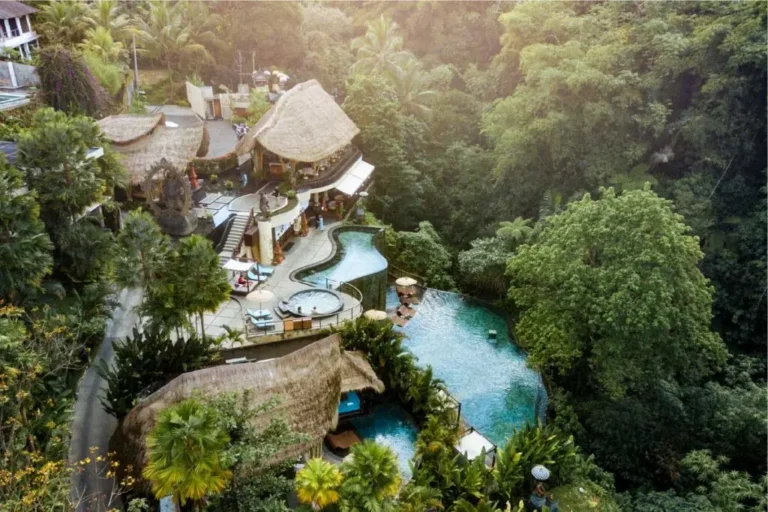
This is a passion project from John and Cynthia Hardy. It exemplifies regenerative architecture and living. The antique Javanese homes and bamboo structures blend seamlessly with edible permaculture gardens, underground mushroom farms and duck-fertilised rice paddies.
They don’t use chemicals; they employ natural building materials that can easily return to the Earth. Guests are asked to be involved in harvesting to help create immersion in the concept.
That means it’s not about that polished 5-star sterility; it’s all about sensory reconnection to the land and cycles of life.
Guests experience open-air living, river pools, farm-to-table dining, and live-fire cooking. The philosophy is simple: regeneration rebuilds that which is lost. It’s like reviving ancient rice fields. Both TIME Magazine and Harper’s Bazaar have celebrated this property as a model of authenticity in the luxury market.
Desa Potato Head (Seminyak)
This cultural villa embodies that good times can do good. It’s built from reclaimed materials (and that includes 1.8 million hand-pressed bricks and recycled elements), and it operates on a principle of circular design.
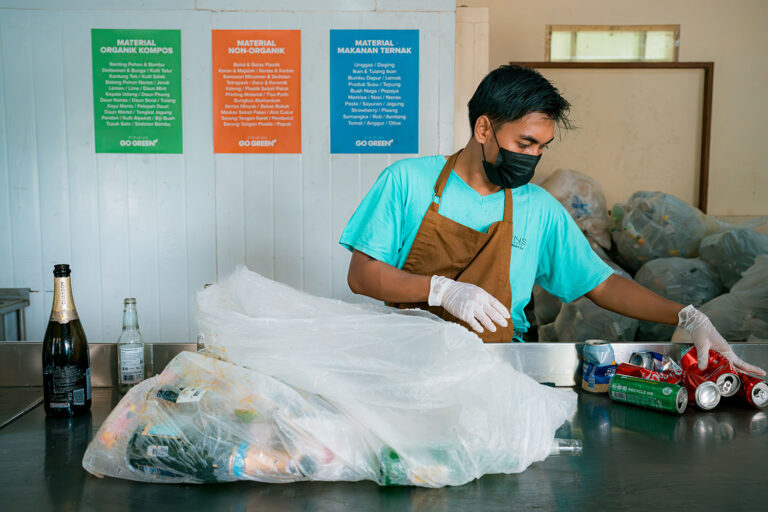
Their waste diversion from landfills reaches 97.5% or more, and there’s an on-site Material Recovery Facility that turns plastic waste into furniture, cooking oil into candles, and more.
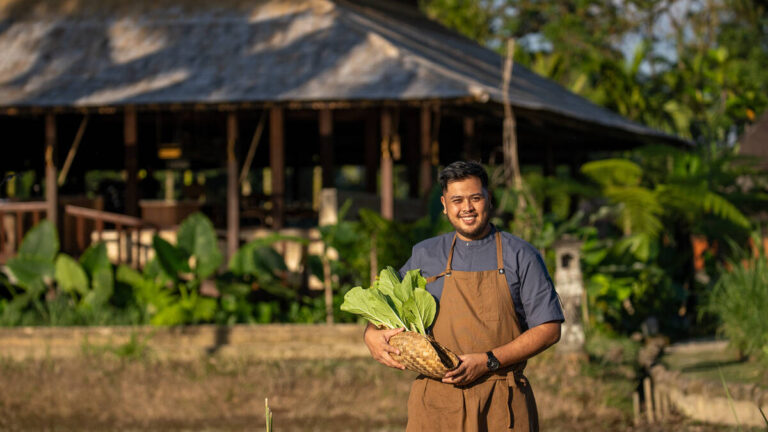
Their Sweet Potato Project regenerates farmland using syntropic agriculture, supplying the resort and community while training locals to use this technique. Guests can join their “Follow the Waste” tours and upcycling workshops, and participate in farm visits.
The company’s B Corp certification and partnerships underscore their seriousness in these endeavours. Potato Head proves regenerative efforts can scale to a large beach resort setting.
Buahan, A Banyan Tree Escape
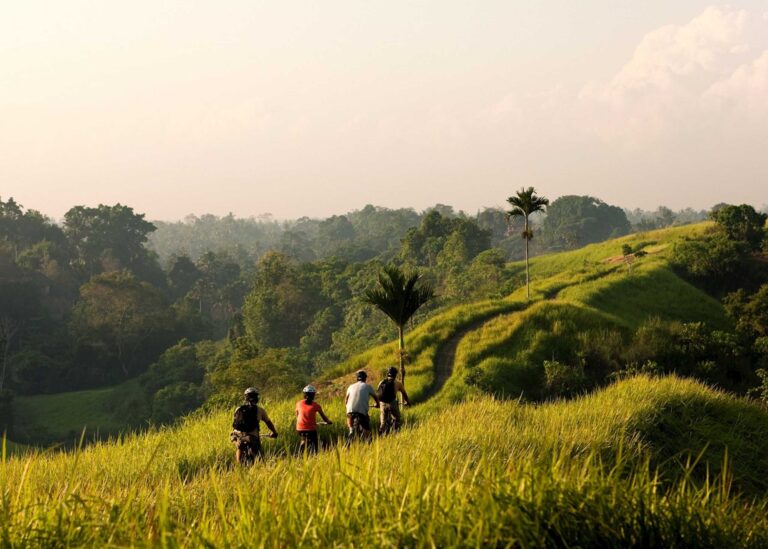
This adults-only jungle retreat features open-air, wall-free bales that immerse their guests in the rainforest environment.
It uses hyper-local sourcing (70%+ plant-based, seasonal), works for firefly and owl conservation for biodiversity, and promotes compost-driven soil health. With no TVs along with the no walls concept, nature here is the real amenity.
Experiences at this resort connect the guests with local farmers and healers. It redefinies luxury as humility before the environment, aligning with the Banyan Tree’s broader regenerative initiatives.
Other Notable Participants:
- Alila Villas Uluwatu – their on-site sustainability lab turns waste into amenities, and single-use plastics have been entirely eliminated.
- Mana Earthly Paradise (Ubud) – this was Indonesia’s first B Corp hotel, and it focuses on circular practices and community
- Fivelements Retreat – they emphasise wellness tied to land restoration.
These aren’t isolated efforts. Many properties in Bali have now installed solar, begun to treat their wastewater for reuse, and source from regenerative farms. Many more are beginning to integrate their guests into “gotong royong” (the communal work spirit).
How Bali’s Hotels Implement Regenerative Practices
To become regenerative, there are several core pillars for implementation in properties:
- Regenerative design and construction – the use of bamboo, reclaimed teak, low-impact foundations, and minimising embodied carbon. Designs should follow the natural land contours and, where possible, use natural ventilation.
- Food systems – on-site or partner farms using permaculture/syntropic agricultural methods. Zero-waste kitchens with hyper-local menus and guest harvesting experiences to reduce imports and emissions.
- Waste as resource – this means advanced waste sorting, composting and upcycling. Partnerships like the one between Potato Head and Waste Lab Suwung can greatly extend this impact beyond the property’s boundary.
- Water stewardship – rainwater harvesting, greywater recycling and aquifer recharging with an aim to avoid drawing on groundwater reserves completely.
- Biodiversity and rewilding – by planting native species, creating diverse habitats and supporting domestic species like owls and fireflies.
- Community empowerment – that means fair wages, training programs, cultural efforts, and revenue sharing. Properties should support banjar (the village councils) and women’s groups, in particular.
- Guest engagement – this means workshops, citizen science and reflection opportunities which turn stays into transformative experiences.
- Transparency and measurement – including third-party audits, public reports and certifications (B Corp, GSTC-aligned, etc.) to build credibility with the audience
The challenges of this approach being adopted more widely include: high up-front costs, skilled labour shortages, supply chain gaps, and balancing guest comfort with authenticity. Bali’s wet-dry climate and seismic activity make things even more complex. And success rides on long-term commitment and collaboration.
Benefits For Guests, Locals And The Island
There are benefits to everyone involved in this process:
- For travellers, there is the opportunity to forge deeper connections, to enjoy better health from clean air and food, and to have purpose-driven memories. In the best instances, they leave, inspired to try something similar at home.
- For locals, it means that economic benefits tend to stay within the community, it allows for a revival of cultural pride, and their degraded lands can recover. Young people, in particular, can gain skills that enable them to progress beyond low-skill service jobs.
- For Bali, healthier ecosystems will support tourism in the long-term. And a restored Subak System, cleaner rivers and greater biodiversity will provide resilience in the face of global climate change.
The Road Ahead For Bali: Scaling Regeneration
Bali needs more than boutique leaders in this field. Mid-tier and large chain presences should be compelled to adopt these principles. Government policy must support this change, including stricter enforcement of waste rules and incentives for regenerative farms. This will help to accelerate real change.
Technology can also be used to assist. Blockchain can help with traceability, AI can help with resource optimisation, etc.
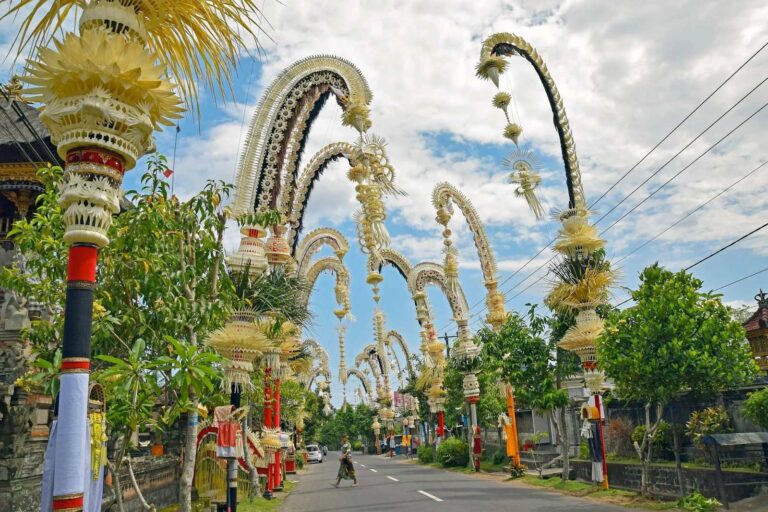
But most of all, the Balinese Values of Tri Hita Karana (harmony with the gods, people and nature) must shine through.
We expect more certifications, more community-led tourism projects and slow travel packages that emphasise seasons over Instagram selfies. We think the post-pandemic environment has seen shifts towards meaningful travel experiences that should favour this trajectory.
How To Choose Regeneratively In Bali: A Quick Traveller’s Guide
Look out for:
- Verifiable metrics (e.g. % of waste diversion or local sourcing)
- Transparent, audited, sustainability reporting
- Genuine community stores, not photo-opportunities
- Opportunities for participating
- Certifications and community partnerships
Avoid:
- Properties with single-use plastics
- Properties with heavy use of imported goods
- Properties with vague “green” claims on their website
Your stay can fund the restoration of the island. By choosing a regenerative hotel, you vote for a better Bali
Final Thoughts On A New Chapter For The Island Paradise Of Bali
Bali’s hotels are in the midst of proving that tourism doesn’t have to cause harm; it can also heal. From Bambu Indah’s lovely bamboo sanctuaries to Potato Head’s waste-to-art ethos and Buahan’s jungle immersion, there is a new model emerging.
It’s a model rooted in respect, innovation and reciprocity. It’s clear from search trends that the market will reward authenticity in this regard.
The island’s future depends on this transition. When you support these pioneers, you become part of our regeneration story. You come not just to escape, but to contribute, learn and return home changed for the better.
The Island of Gods is waiting for you to show the world what regenerative hospitality can achieve. Are you ready to experience it? If you are you may fancy some digital nomad luxury or a yoga and meditation retreat.