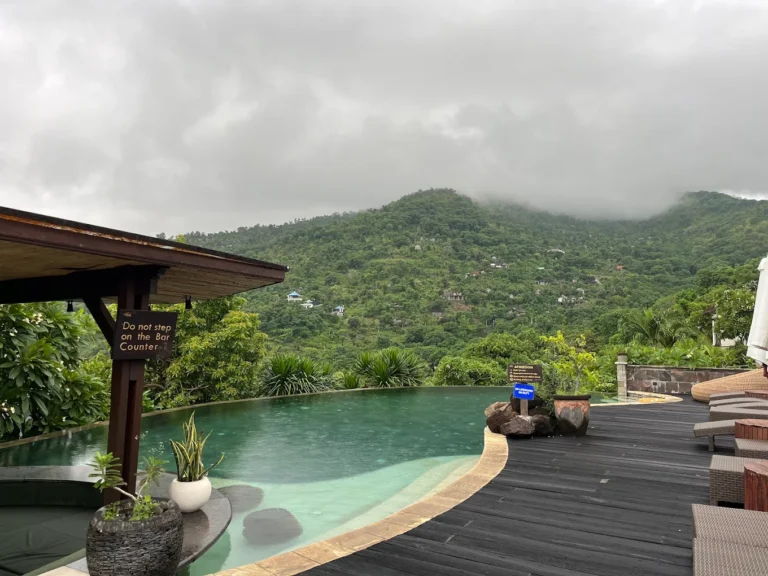

Bali is one of the world’s favourite destinations, and it welcomes millions of people each year to enjoy the golden beaches, lush rice terraces, world-class hospitality and vibrant culture it has to offer.
But for many people, particularly those arriving from Europe and North America, but even Australia, the journey often involves tackling multiple time zones and a very long period of time (up to 26 hours in some cases) in the air.
Jet lag can turn a dream trip to Bali into a foggy, exhausting haze that really takes away from your first few days on the island. We’ve seen countless guests battling this condition, and the struggle is real.
From luxury villas in Ubud to the beachfront resorts of Canggu and Seminyak, many of Bali’s properties have honed their jet lag recovery protocols to blend accepted science with traditional Balinese wellness practices.
This comprehensive guide provides you with practical, Bali-focused strategies to cut down on your jet lag and ensure you sync up quickly with WITA time (Waktu Indonesia Tengah or Central Indonesian Time) and ensure that your immersion in paradise starts on day one of your holiday.
How To Understand Jet Lag In The Context Of Bali Travel
Jet lag is a real medical condition. It’s caused when your circadian rhythm (that is, your internal body clock) clashes with the new time zone. The symptoms include tiredness and fatigue, insomnia, irritability, difficulty concentrating and even digestive problems.
Because Bali is a fairly long way away from most tourists’ home bases, jet lag can often be worse on the island than people are used to.
- From Europe – tourists from London or Paris are looking at a 6-8 hour time difference, and their flight times can be up to 20 hours, including layovers
- From the East Coast of the US – the difference can be up to 13 hours, with a total travel time often exceeding 24 hours
- Even from Australia – where the time difference might only be 2-3 hours, long flights can still have an impact
Eastward travel, in particular, is generally harder as it shortens your day and confuses your body clock more.
Recovery from jet lag can take up to 1-1.5 days per time zone crossed, but strategic actions can reduce that dramatically.
In Bali’s tropical climate (it’s warm, humid and provides plenty of sunlight), natural cues like light exposure can have a powerful effect on minimising the issue if you use them correctly.
Pre-Flight Preparation: Set Your Body Up For Success
If you want to shrug off your jet lag with ease on arrival, then you can start preparing days before departure. Gradual adjustments will pay big dividends once your journey is over.
- Shift your sleep schedule – if you move your bedtime and wake times closer to Bali time by around 30-60 minutes a day, life is easier when you land. For eastward travel, that means going to bed earlier; you can use an app like Timeshifter to make a personalised adjustment plan tailored to your flight times.
- Optimise your diet and hydration levels – it’s best to eat light, anti-inflammatory meals that are rich in protein and complex carbohydrates, which leave you feeling full without putting strain on your digestive system. Avoid eating heavy, spicy, or processed foods, particularly just before flying. Hydrate aggressively; you should be drinking half your body weight (measured in pounds) in ounces of water daily.
- Pack smart – modern technology offers a lot of comforts to help keep that jet lag at bay, including compression socks, neck pillows, eye masks, earplugs, melatonin supplements (we recommend you consult a doctor before you take these), electrolyte drinks and supplements and even just comfortable layers of clothing. Make sure to take a small first-aid kit with remedies for dehydration and digestive issues.
- Exercise and light exposure – it’s a good idea to get some natural light every morning before you leave and to exercise lightly to prime your body for a little stress. Avoid using screens for an hour before your adjusted bedtimes.
The travellers we know with the fewest problems from jet lag are the ones who make the most effort to prepare themselves for the flight, by arriving feeling less depleted, half the battle is already won.
In-Flight Strategies For Jet Lag: Making The Most Of Your Time In The Air
Your flight is your first opportunity to really align with Bali time. Begin by resetting your watch and any devices to Bali local time immediately upon boarding. And then:
- Sleep strategically – if it’s nighttime in Bali on your flight, try to sleep as much as possible. If you can afford business class, it’s going to offer an opportunity for better rest. Don’t despair, though, if, like the rest of us, economy is your limit; a good travel pillow and noise-cancelling headphones can help you get some shut-eye. But if you’re travelling in Bali’s day time, try not to sleep, and if you do have to sleep, limit it to short naps.
- Stay hydrated and move around – the air on an aeroplane is dry, so drink water constantly in flight (and avoid alcohol and excessive caffeine as they both dehydrate your body and interfere with sleep patterns). Walk the aisle hourly when you can and stretch, and do some seated exercise to improve your circulation.
- Light meals and supplements – opt for light airline meals or just bring your own snacks. We find ginger is useful for nausea; melatonin (as before, you should talk to your doctor about using this, but it is a natural supplement which mimics the body’s sleep hormones) around 1-5 mg about 30 minutes before Bali bedtime can help you sleep. You might also find that magnesium supplements can help you relax.
- Mentally reset – listen to some Balinese ambient sounds or meditations on the plane. It can help to visualise your arrival and to picture your first relaxing day on the island.
We find that travellers who follow these steps often report they feel much better and even surprisingly alert when they land at Ngurah Rai International Airport (Denpasar Airport or DPS).
What To Do When You Arrive: The First Hours In Bali Are Crucial
OK, you’ve touched down, you’ve cleared the airport, now is the moment for you to truly embrace Bali time:
- Get from the airport to the hotel smoothly – we recommend that you arrange a private transfer before you reach Bali. Your hotel can do this, but you can also do it yourself (often for less money) through booking sites like Klook and Booking.com. That means less time spent waiting around in the heat and humidity at the airport. Once you arrive at the hotel, a luxury property will probably provide you with cold towels, welcome drinks (such as cold young coconut water, which is full of electrolytes) and direct spa and pool access. There’s no need to rush your holiday; book a hotel close to the airport for a day to recover in – Jimbaran and Sanur are good places for this.
- Hydrate and nourish yourself – as soon as you land, go for some electrolytes in water or an isotonic drink from a local store. Make sure you eat light, fresh meals of tropical fruits, steamed rice, fish and jamu (a traditional local tonic) and avoid heavy foods and street foods to prevent yourself from compounding your tiredness with Bali Belly.
- Get some sunlight exposure – the sunlight in the morning and early afternoon should be treated like your best friend. Spend just 20-30 minutes outside (with sunscreen) to help produce melatonin and to reset your circadian rhythm to local time. A gentle beach walk or pool time is ideal for this.
- Avoid long naps – most of all, try to power through until bedtime on your first day; don’t take naps; just force yourself to stay up until 8-10 p.m. If you really must nap, make it a 20-minute slot and no more. If you need help staying awake, go for a refreshing swim in the hotel pool or take a light walk; you don’t need to go all out, but physical activity helps you keep your eyes open.
The sooner you help your body match the local rhythm, the easier it will be to say goodbye to the strains of travel.
Bali-Specific Natural Recovery Methods For Jet Lag
It’s also good to know that Bali has an amazing holistic healing and wellness culture, and you can leverage that to your advantage:
- Jamu and Local Elixirs – Jamu is an ancient herbal drink that includes turmeric (which has anti-inflammatory properties), ginger, tamarind (kunyit asam), and honey. This helps to aid your digestion and boosts your energy level. While many hotels serve Jamu in their cafe or restaurant, if you can’t find it there, just head to a local warung.
- Spa and Massage Therapies – Balinese massage is world-famous, and it’s a much more gentle and soothing massage than Thai massage or other Southeast Asian massage techniques. You can combine it with aromatherapy, hot stone or deep tissue treatments to maximise the circulation benefits and to keep tension to a minimum. Many spas have a jet-lag specific package that incorporates floral baths, scrubs and bespoke treatments of essential oils. If you’re in Canggu, Seminyak, Ubud, etc., then you will have no problem finding a local spa if there isn’t one in your resort.
- Yoga and Movement – some gentle sunrise yoga is perfect for helping you align your mind and body. Many villas and resorts offer free yoga classes, which is a really nice touch. A slow walk through the rice paddies or a swim can help you to find your natural rhythm again. Don’t overdo it. While many enjoy energetic sports such as kiteboarding and mountain biking in Bali, it’s best to recover first before you tackle these challenges.
- Natural immersion – you can go forest bathing in Ubud and enjoy that relaxing lush green jungle, go snorkelling on the coast through an amazing marine environment, or even simply sit somewhere with your eyes closed listening to the sound of the ocean breaking against the shore. All of these activities help you to feel more relaxed. If you want a pick-me-up instead, try a cold shower, a dip in the pool or even a glass of the local coffee (though try to stick to one – too much caffeine is a bad idea).
Bali is all about finding yourself, and that’s not just spiritual woo-woo; it’s a practical set of conditions to ensure you can enjoy your holiday to the fullest.
Finding balance is what Bali’s all about, of course, why not check out our article on Tri Hita Karana the Balinese philosophical principle of balance?
Accommodation Choices To Support Your Recovery
Your choice of hotel or villa will make a big difference to the ease of your recovery. You should prioritise your choice of accommodation by considering:
- 24-Hour Services: Look for flexible check-in times, early breakfasts, and late dining options. Big-name hotels like Paradisus by Melia and Regent Bali Canggu will find this easier than smaller boutique hotels.
- Wellness Facilities: You want on-site spas, yoga shalas, infinity pools and the like. While specific wellness resorts such as Six Senses and Fivelements are really good for this, many other hotels offer similar services and aren’t as expensive.
- Quiet Locations: It’s easiest to return to normal in relative peace; you can party once you’re running on a full charge. Sanur is good for calm beachside vibes, and Ubud is great for natural immersion and seclusion.
We like to seek out places with anti-jet-lag massages, early breakfasts (that start around 6 a.m.) and full wellness concierge facilities when we come to Bali after time away. A private pool villa can be a good option too, as it lets you rest undisturbed while still giving you some time to enjoy the luxury lifestyle on the island.
Sample 48-Hour Jet Lag Recovery Itinerary For Bali
So, let’s take a look at a simple itinerary for you to enjoy when you come to Bali and want to shrug off that jet lag:
Day 1 (Arrival Day)
- Arrive at the airport
- Transfer to your hotel
- Hydrate
- Light lunch
- 30-60 minutes of sunlight (pool time or beach walks)
- Gentle spa session and/or massage
- Early light dinner
- Bed by 9-10 p.m.
Day 2
- Start the day with morning sunlight and some yoga or a walk
- Nutritious breakfast with some jamu
- Undertake a relaxed activity (visit the beach or a temple, or chill in your villa)
- Maybe another spa and massage session
- Another early bedtime
And by Day 3, after following the routines laid out above, is feeling full of energy and ready for some serious adventure like learning to surf in Canggu, partying at FINNS Beach Club, exploring jungle temples and sacred monkey forests, or diving shipwrecks.
What To Avoid When Trying To Deal With Jet Lag In Bali
There are a few things that will feel like mistakes if you do them during the period of readjustment:
- Don’t overschedule your first days – we know you want to see everything, but pushing yourself too hard leads to burnout rather than happiness. Give it time; the island will still be there when you’re ready.
- Don’t consume too much alcohol or caffeine – dehydration and poor sleep are only going to make things worse.
- Don’t stay indoors or glued to a screen – it’s a tropical island paradise; get out and get the sun on your skin; it’s going to make you feel great.
- Don’t ignore your need for hydration (but do stick to sensible food safety) – that means plenty of bottled water (never tap) and fruit (that you peel yourself).
- Don’t push through exhaustion without rest -it’s best to listen to your body if you want to feel good fast.
When To Seek Professional Help
For most people, jet lag is a fairly trivial issue that disappears rapidly when treated properly. However, if your symptoms persist beyond 2-3 days or if they include severe headaches, high levels of confusion or severe dehydration, consult a doctor immediately.
Many clinics in Bali offer IV hydration therapy drips that have been tailored for use by travellers, and they provide rapid rehydration and vitamin boosts.
Final Thoughts On Embracing The Healing Power Of Bali To Deal With Jet Lag
Jet lag doesn’t need to impair your Bali fun in the slightest. When you prepare ahead of time and then work to achieve alignment during travel and by embracing local wellness rituals, you can easily recover quickly and fully immerse yourself in the magic of this paradise island.
Bali’s hospitality industry has perfected guest care routines precisely for this reason, so let the island heal you.
Book your first stay with a property that prioritises wellness, arrive with a plan for your own health and give yourself a bit of slack for the first 48 hours. You can enjoy paradise refreshed and rejuvenated.
Isn’t it time to plan your jet lag-free escape to Bali? Check out all of the amazing villas and resorts we recommend on the site to get started.
Want to learn more about Bali? Check out this piece on biodiversity efforts in Bali.