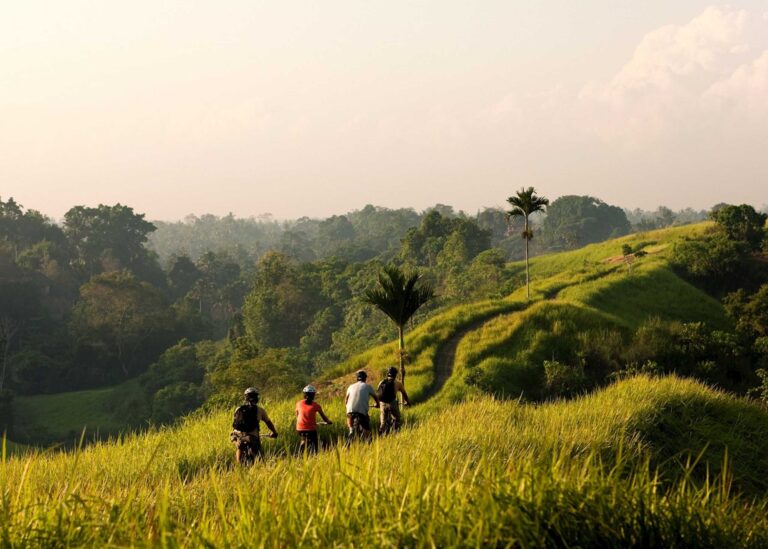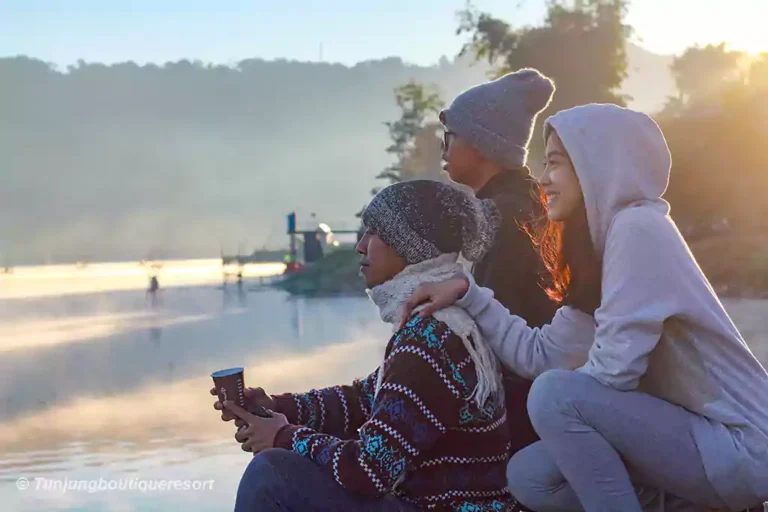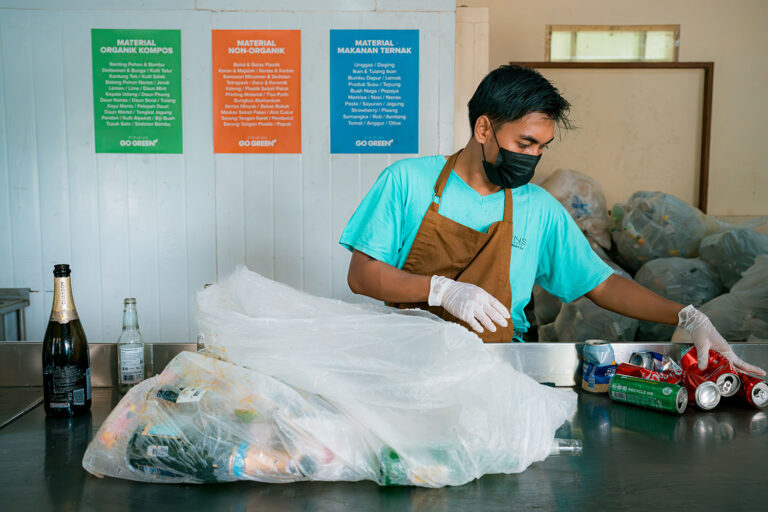
We asked a group of local hospitality providers what they felt could make a trip to Bali truly special. To our surprise, it wasn’t “stay in our beautiful boutique villa in Ubud” or “make sure to spend time in our resort in Seminyak”; it was simple: they said if you want the best time in Bali, synchronise yourself to the rhythm of the island.
It’s not the perfect surf, the gorgeous rice terraces, or any other geographical feature that transforms trips. It’s the understanding that while they do use the Gregorian calendar in Bali, it’s not the key to the culture. In fact, there’s a whole different pulse of ancient systems below the surface of where most tourists explore.
That pulse dictates everything from when temple ceremonies take place to the daily offering routines, it impacts when a business opens for the most auspicious results and even when the spirits beyond the veil visit the world of the living!
When you understand the Balinese cultural calendars, you can move from being just another tourist to a truly respectful guest. This can help you avoid frustrations, like the day when the whole island shuts down in silence, or the traffic chaos caused by a ceremony on the beach, and help you immerse yourself in vibrant processions and elaborate offerings, and enjoy the profound spirituality that makes this island unique.
In this guide, we share wisdom gained from local priests (pemangku), hoteliers, spiritual travellers and community leaders so that you can time your trip like a true Balinese.
The Dual Calendars Of Bali: Pawukon And Saka (Caka)
Bali has many different timekeeping systems, and instead of being treated separately, they are layered over each other. Everyone uses the Gregorian Calendar (the calendar that you use at home) to plan their flights, hotel bookings, holidays, etc.
But in daily life and rituals, the local people use two traditional primary calendar systems, the Pawukon and the Saka (Caka) Calendar.
The Pawukon calendar, which is also used in some parts of Java, is a 210-day cycle that finds its roots in rice cultivation and ritual life. It’s divided into 30 x seven-day weeks (and 6 x 35-day months) at first glance.
However, it’s a bit more complicated when you dig down; there are, in fact, multiple overlapping weeks (wara) which range in length from 1 to 10 days and run simultaneously. A day’s significance or character emerges from how these cycles intersect and overlap; no two days repeat the same combination in any 210-day cycle.
This Pawukon calendar is used for calculating temple anniversaries (odalan), family ceremonies, the best days for starting a business or getting married and the famous tooth filing ceremony (metatah).
There are auspicious days (tumpek) that take place every 35 days (giving five tumpek in each cycle), and they are dedicated to specific elements of the world, such as animals (Tumpek Kandang) and plants (Tumpek Wariga). These days often coincide with special offerings and temple visits from the local people.
In parallel to the Pawukon is the Saka Lunar Calendar, which is a 354/355 day system based on moon phases. It’s similar to the calendar used by Hindus elsewhere in the world but has been especially adapted for use in Bali.
This calendar has 12 months (sasih), and it’s used to mark major island-wide events. The Saka year starts at Nyepi, and it lags the Gregorian calendar by around 78 years in its numbering. Because this calendar does not run entirely in sync with the Gregorian calendar, it’s also possible to lag by 79 years depending on the time of year.
However, in practice, both the Pawukon and Saka calendars are used in an overlapping frame with the Gregorian calendar. This makes for a rich cultural tapestry that, with a small amount of effort, a traveller can tap into.
A local person may check a “wariga” (a sort of traditional almanac) or ask a priest for the perfect date before scheduling a major event.
And hotels may spend time educating their guests about these calendars in order to help them feel better connected to the island and its people. The advantage to the hotel is that this tends to lead to greater engagement and higher reviews, which leads to more long-term business.
Key Balinese Festivals And Auspicious Periods: How To Plan For Or Around Them
There’s no doubt that while many people love getting involved in Balinese traditions, some holidaymakers would prefer to avoid them, and certainly for our first holiday, we know it’s one that many people choose to skip.
Nyepi, The Day Of Silence (Saka Calendar New Year)
Nyepi is the best-known of Bali’s religious observances, and it’s not for everyone. It makes the Balinese New Year and the night before the Ogoh-Ogoh (monsters and demons) parades, of giant effigies which are paraded through the streets of the island and then burned, are absolutely fantastic.
However, on Nyepi itself, for 24 hours, the island shuts down. Sometimes, there’s no electricity; sometimes, there is no Internet, either. Always, the airport closes down, all tourist attractions and businesses are closed, and except for actual emergencies, everyone is expected to stay indoors and be quiet.
And that’s why Nyepi isn’t for everyone. While a quiet day off in the middle of a month of hectic touring can be super welcome, it’s going to ruin a three-day break for most people. Many expats love Nyepi for a chance to stop and unwind, and others time their own holidays for this time of year, so that they can be somewhere else during this time.
The exact Gregorian date for Nyepi varies; it falls in either March or April. This year (2026) it fell on March 19th, and in 2027 it will be on March 8th. So, it’s best to check this date in advance before you book your holiday.
It’s fair to say that if you’re here in the run-up to Nyepi, there’s a genuine buzz of excitement among the local people, and the day itself can offer profound peace if you spend it in meditation and reflection as you’re meant to do.
Many villas and resorts offer special packages and discounts for Nyepi (tourists can usually continue to use all the facilities in their resort but must not leave the resort grounds and should remain respectfully quiet throughout the day).
They may also provide yoga and meditation sessions for guests on the day itself.
If you do decide to visit Bali for Nyepi, be aware that arrivals and departures can be delayed or disrupted on the day before and the day after, and it’s best to try to plan to arrive earlier or leave later.
Most of all, Nyepi highlights the philosophy of Tri Hita Karana, which is harmony between the people of the island, the natural environment and the divine (the gods and spirits).
Galungan And Kuningan (Pawukon Calendar)
If you like your festivals a little more festive than a day of quiet contemplation, then this joyous and visible celebration time is always a good time to visit Bali.
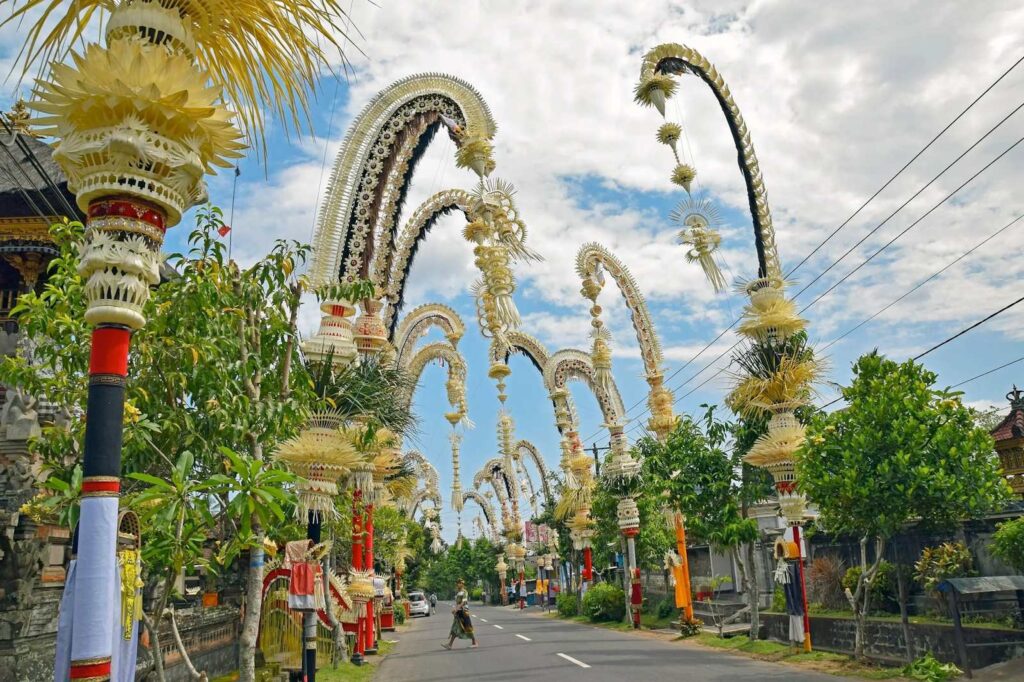
Galungan is the day that they mark the victory of dharma (good) over adharma (evil). It’s when the ancestral spirits return to Earth. The village streets are lined with penjor (bamboo poles that are decorated with lavish offerings).
Families and neighbours prepare lavish feasts and visit temples. Then, 10 days later, Kuningan arrives, and the ancestor spirits return to the heavens bearing offerings of yellow rice.
These two days occur twice a year as they recur every 210 days. We go to press at the time of Galungan in 2026, June 16th, and Kuningan arrives on June 26th.
The next dates will be 13th January, 2027 and 23rd January, 2027, followed by 11th August 2027 and 21st August 2027. So, it’s always good to check when these two festivals fall before you book your flights and hotel.
It’s fair to say that these are the best times for cultural immersion; the temples are alive with activity, and the atmosphere is festive as well as sacred. Domestic tourism spikes during this period, so make sure to book in advance, particularly for villa properties.
Also, be aware that these festivals do have an impact on the already fairly heavy traffic on Bali’s roads; leave more time for travel on these dates, as you will almost certainly need it.
Other Highlights Of The Balinese Festival Calendar
You should also look out for:
- Saraswati Day – this is a day to honour knowledge and the arts. You will often see offerings of books and instruments.
- Pagerwesi – this is a day of immense importance for spiritual strength and protection.
- Full moon (Purnama) and New moon (Tilem) – these days see ceremonies at the temples with heightened energy. Purnama, in particular, is a great day for temple visits.
The Tumpek days and other intersections on the calendars can create smaller but meaningful local observances on other days. Witnessing a local melaspas (a blessing ceremony) for a building or a vehicle can be a wonderful experience.
Auspicious Dates For Personal Milestones In Bali
It’s important to note that in Bali, people don’t just use calendars for marking festivals; they also consult them for life events. Many folks will talk to their priests about “dewasa ayu” (good days) based on these natural cycles:
- Good days for weddings – couples select their dates for harmony in the marriage. Many Bali destination weddings will align with these dates for blessings. The dry season (April-October) often overlaps with many favourable dates.
- Good days to start a venture – be it a new hotel, shop, restaurant, or service, the launch is usually on an auspicious date in the Pawukon calendar.
- Cremations (ngaben) and tooth-filing ceremonies – these rites of passage always require specific timings for spiritual success.
For travellers, you might explore Dewasa Ayu for retreats, vow renewals, blessings and wellness trips. Many luxury hotels and villas partner with local priests to deliver personalised ceremonies.
You could even time a yoga retreat around Saraswati or a renewal trip during Purnama to add some depth to the proceedings.
Best Times To Visit: Balancing The Weather, The Crowds And The Culture
Bali has a tropical climate, which means there are only two seasons: the dry season and the wet season. The dry season runs from April to October, the peak tourist season is from July to August, and the wet season runs from November to March, with a mini-peak season from Christmas to New Year.
As the name suggests, the dry season has less rain (though there is still rain at this time of year) and, oddly, it’s also slightly cooler. The wet season is rainier (though there’s still plenty of sunshine), and it has fewer crowds, greener landscapes and more cultural events.
Suggestions for cultural trip timings:
- For festivals (particularly Galungan/Kuningan), opt for a time that’s out of peak season and enjoy the vibrancy without the crowds and high prices. If you’re in an introspective mood, Nyepi can be great from a serene villa in the countryside or a quiet seaside town like Candidasa.
- To avoid disruptions, make sure to check calendars in apps, talk to the hotel concierge and use sites online to read up before you book. And during Nyepi, if you’re here, just embrace it. Many properties offer amazing discount packages at this time of year.
- For temple visits, go in the early morning or during Purnama for authenticity and make sure to respect the dress code on temple grounds (that means a sarong and a shawl everywhere).
- Shoulder season has its perks; these times of year are amazing for cultural experiences and offer the best rates. The rice terraces are also amazing during the post-wet-season shoulder season.
Practical Advice For Travellers: Respect And Immersion
We’ve got some tips for travellers looking to incorporate significant dates into their holidays:
- Do your research – you can use resources like wariga apps or just ask your hotel’s concierge team, as many can provide a cultural calendar on request.
- Be respectful of local rules – it’s fine to attend ceremonies if you are invited to do so, but don’t interfere and don’t disturb any offerings. Photography may be fine, but it’s always best to ask before you shoot. Nyepi means no activity at all, so spend it at your resort, relaxing and maybe doing a little star watching in the dark.
- Support local people – stay in locally-owned properties, join village tours, shop in local businesses, and participate in offerings with guidance from people nearby. This helps to sustain the culture that your tourism enjoys.
- Logistics – the monsoon season can affect some areas, the dry season is great for serious adventure, and be aware that traffic peaks in festival times; hiring a driver with local knowledge can help avoid the worst traffic jams, sometimes.
- Deeper experiences – book a purification ritual (melukat) or a temple ceremony through a reliable tour operator or your resort. These experiences cannot be had anywhere else in the world, and they ensure that your trip to Bali is unique and that you participate in the local culture.
Final Thoughts: Why Timing Like A Local Matters In Bali
The multiple calendars of Bali aren’t some obscure cultural relic; they’re living philosophies that are in use everywhere. They help to remind us all about cycles, finding balance and seeking a level of interconnectedness in everything.
When you time your holiday around these calendars, it shows respect for the local culture, reduces your own stress, and helps you to access authentic wonders on the island. You can see Barong dancing, smell the fragrant incense at dawn, enjoy communal feasts and even experience the quiet magic of Nyepi.
The guests who “get this” often return to the island again and again; there’s nowhere else quite like Bali on Earth when it comes to this. It allows you to build relationships with people at your resort and elsewhere, learn phrases in the local language, experience local life and leave the island transformed.
Whether you intend to go surfing, seek wellness, want to party, find romance or family adventures, aligning with the local rhythm helps to elevate your time in Bali.
So, when you start planning your trip, don’t just check the flight prices and the weather forecast; consult the cultural heartbeat of the island. If you do, your holiday will be richer than you ever imagined, more connected, full of meaning and truly unforgettable.
Want to learn more about Bali? Check out these pieces on biodiversity efforts in Bali and how cycling through the island’s rice terraces can enrich your holiday.