Bali’s rice terraces are more than just a source for sustenance or postcard-perfect landscapes for the Instagrammer. They’re living cultural treasures. The Subak system of agriculture, which is Bali’s only UNESCO World Heritage Site, while most commonly associated with Jatiluwih, can be found in every rice field on the island.
The rice fields also serve as the ideal backdrop for an active adventure where you blend physical challenge with some of the most profound immersion in the natural world and Balinese traditions possible.
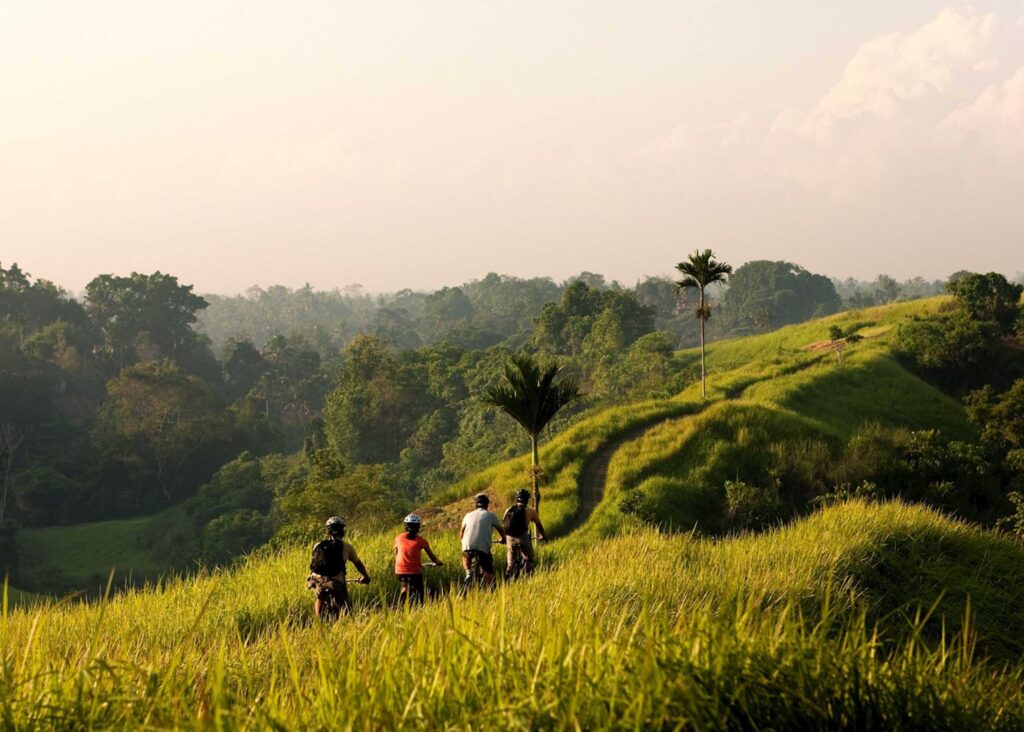
Cycling through the rice fields has exploded in popularity in recent years as travellers, seeking authentic health-focused experiences, move beyond beach lounging and set out for real adventure.
Hotels and resorts in Bali aren’t just providing a place to sleep anymore; they’re curating active itineraries, partnering with local guides, offering bike rentals and e-bikes, wellness recovery programs, and using and developing sustainable practices that help to enhance these experiences while helping to protect the very rice terraces that their guests enjoy.
So, let’s take a closer look at the joys of cycling Bali’s rice terraces, the practicalities, the reality and, of course, the properties that help their guests get the most out of these experiences.
Why Cycling Bali’s Rice Terraces Is A Must-Do Experience
Think about pedalling along narrow paths, flanked by swaying rice stalks, the air fragrant with the fresh smells of wet earth and tropical blooms, while in the distance the gamelan orchestra echoes from a village temple.
Bali’s rice terraces offer some of the island’s most rewarding cycling routes, suitable for beginners through to seasoned riders (thanks to the use of e-bikes in some cases rather than classic mountain or trail bikes).
Key cycling routes in Bali’s rice fields include:
- Tegallalang Rice Terraces near Ubud: These are Bali’s most visited rice terraces thanks to their location just outside the town of Ubud. They are considered to be iconic, photogenic, and a visit here is often combined with a village visit, a tour of a coffee plantation and plenty of gentle downhill paths to help you recover your wind. Cycling tours will usually last 2-4 hours and deliver scenic backgrounds with very little traffic. However, in the summer this place can get very crowded, and it’s a good idea to book your cycling trip well in advance.
- Jatiluwih Terraces in Tabanan: Jatiluwih is Bali’s premier collection of rice terraces and the place most associated with the UNESCO award-winning Subak system. It covers over 600 hectares of cascading rice fields. If you head here, it’s quite a drive from Ubud, but you can enjoy longer, more immersive rides and reveal traditional farming practices, stumble across ancient temples like Pura Luhur Batukaru and most of all, benefit from much lighter crowds. We recommend e-bikes here except for very experienced cyclists due to the undulating and challenging terrain.
- Other gems: they may not be as well known, but rice terraces around Pupuan and Sidemen or combined volcano-to-local-terrace adventures can often help deliver a nice mix of bike rides and hiking.
These rides will usually deliver a moderate cardio workout (around 20-40 kilometres is the typical length of a cycling tour; beginners should opt for shorter routes), cultural insights (the chance to stop at local temples and warungs to indulge in fresh coconuts and nasi lemak), and the chance to find focus and a mental reset among the stunning vistas on offer.
The best times for a cycle trip are in the early morning for the coolest temperatures, golden hour light and absence of crowds, as well as in the late afternoon to duck the hottest part of the day and to catch the sunset golden hour.
You should always wear a helmet when cycling in Bali as these are rough, uneven paths where it’s easy to fall off. We’d strongly recommend staying hydrated throughout the journey, and taking a reusable water bottle that can be mounted on the bike is a great idea.
It’s also important to respect the farmers’ paths and not wander off into the crops; their living depends on the harvest. Ideally, you opt for a guided tour with a local firm to ensure that you navigate correctly and enjoy a guide’s local knowledge.
Cycling also helps to support the eco-tourism movement in Bali. It’s low impact compared to motorised tours; it encourages slower travel, uses no carbon during the trip and lets you properly witness the Subak system of cooperative agriculture first-hand, as it sustains the fields and people of Bali as it has for over 1,000 years.
The Rise Of Active Travel In Bali Hospitality
Bali’s hospitality sector has evolved. Post-pandemic travellers crave meaningful, active experiences that offer more than just the standard brochure holiday.
The hotels here have responded by integrating adventure into their core offerings; the concierges arrange the tours, they offer on-site bike rental and maintenance services, their menus are designed by nutrition experts to ensure excellent recovery, and they arrange local partnerships for tours to ensure authenticity and experiences that benefit the whole community.
As you’d expect, sustainability plays a key role in this. Many properties are adopting eco-friendly practices such as using solar energy, reducing water use, conserving water, growing organic gardens, etc. to help align with the objective of preserving the rice terraces.
Guests who opt to cycle are contributing to that preservation effort by minimising their carbon use and supporting the village economies on the route at guided stops.
Top Hotels And Resorts In Bali To Elevate Your Cycling Adventure
The best hotel properties for cycling rice terraces don’t just locate themselves in or near the rice fields; they actively help to facilitate the best experiences. Here are some standout options that represent most budgets and travel styles:
For Tegallang (Ubud)
This is the easiest rice field to reach, and some of the top picks of resorts here offer very straightforward access to the rice terraces, including:
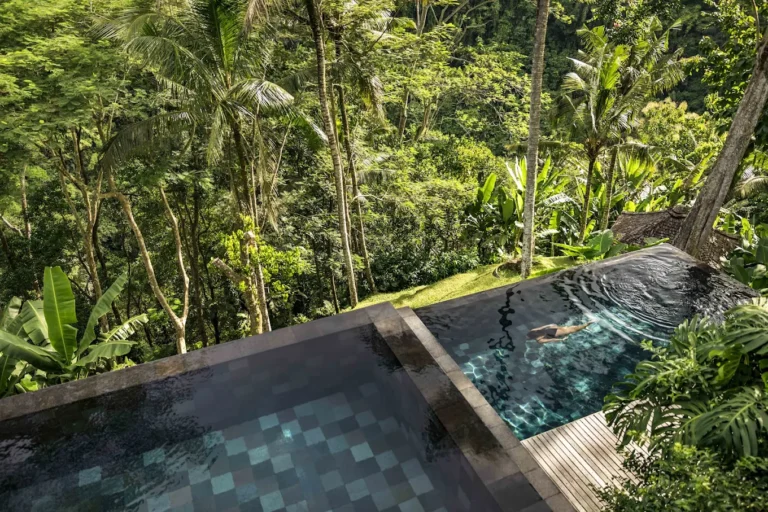
- Four Seasons Resort Bali at Sayan – this luxury resort is an icon of the local hotel scene, and it sits on the Ayung River with luxurious villas with private pools and waterside views. Their concierge is always happy to help arrange customised cycling tours, river rafting combos, wellness programs, yoga and even post-ride massages. The resort has an on-site cooking school with a wellness focus that is ideal for active travellers seeking some balance on their trip. Their guests regularly rave about how straightforward and simple it is to access both adventure and serenity at the Four Seasons, Sayan.
- Anantara Ubud Bali Resort – nestled in the hills, this resort’s bungalows and villas overlook the thick jungle canopy. Anantara excels at delivering immersive access to the rice terraces and provides guided e-bike tours which include temple visits and stops in mountain villages along the way. Their spa uses local ingredients to aid your recovery and their cultural programs (such as priest sessions) deepen the overall experience. It’s a luxurious way to connect to the real Bali.
- Mandapa, a Ritz-Carlton Reserve – ultra-private riverside villas in Ubud in one of only 50 hotels in the world to have earned 3 Michelin Keys! Expect bespoke active itineraries, including downhill cycling with expert guides. The resort emphasises holistic wellness that includes spa treatments for muscle recovery following a terrace ride. It’s a favourite stay for folks who demand five-star support on active days.
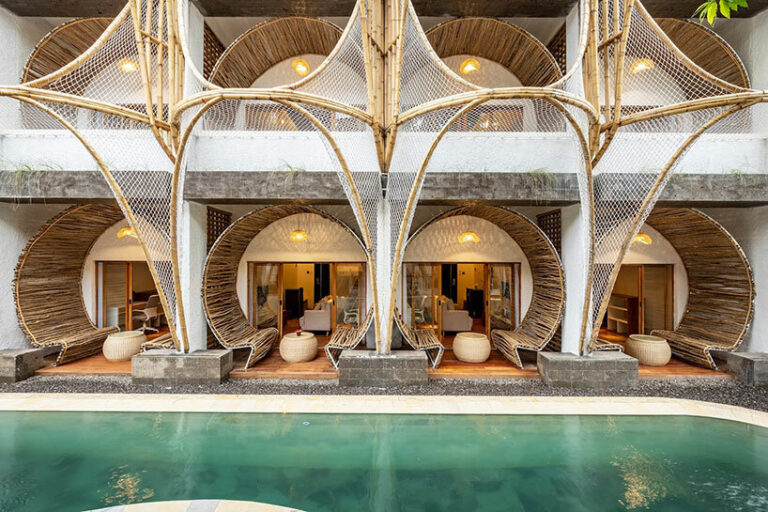
- Capella Ubud – this gorgeous place with whimsical tented suites in a forested, terraced setting (and no trees were harmed in the creation of this place). This Bill Bensley-designed gem offers bespoke adventures, including rice terrace cycling with a focus on guest privacy and natural immersion. Their saltwater pools and unique dining options help to enhance the post-ride relaxation experience.
For Jatiluwih And Tabanan
There’s less focus on big-name 5-star luxury outlets and more on boutique and eco-resorts around this more remote rice terrace.
- Nadi Nature Resort – this place offers direct access to the rice terrace and simple, thoroughly sustainable stays. Many folks will arrange an on-site bike rental and guide for exploring Jatiluwih. It’s perfect for travellers that prioritise authenticity over opulence. We should also note that there are a few very similar resort options in this area if Nadi is booked out.
- Sang Giri Mountain Tent Resort or Atres Sari Resort – these glamping-style/villa options have amazing panoramic views. These properties will often partner with local cycling operators and offer e-bike packages. They have farm-to-table meals too, made with fresh produce from the rice fields and surrounding villages.
Other Great Options For Active Travellers
You might also try a couple of our favourite resorts on the island, Viceroy Bali and Alila Villas Uluwatu; while they’re not on the doorstep of the rice terraces, by any means, they do offer excellent shuttle service and concierge services for day trips to Tegallalang and have some of the finest on-property fitness and recovery facilities on the island.
One thing that we’ve noticed recently is that many hotels have “Active Bali” package options including bike rental (often free or heavily subsidised for their guests), picnic lunches, optional guides and carbon-offset programs.
We’d recommend that you look for properties with on-site spas using traditional Balinese techniques such as boreh scrubs for your sore muscles after a ride.
Practical Tips For Planning Your Active Bali Cycling Trip
Planning a cycling trip in the rice fields isn’t that challenging, but there are a few things to bear in mind to ensure you have the best time:
Booking Tours
Please use reputable operators such as FINNS Holidays or Bali by Pedals for Jatiluwhi, or local Ubud outfits for Tegallalang. E-bikes make these rice terraces accessible for all fitness levels (experienced riders might opt for trail or mountain biking options, but beginners will definitely be glad to have the battery to fall back on when the going gets tough). You can rent an e-bike for around 500,000-1,000,000 IDR (around $25-50 USD or $50-$100 AUD).
What To Pack
You want to pack light, but you must take some lightweight moisture-wicking clothes (getting sweaty in Bali’s humid environment is pretty much guaranteed), sunscreen, sunglasses and a hat, a reusable water bottle, comfortable cycling shoes or trainers, a camera/phone for photos and some cash for use on your village stops where card support is sketchy to non-existent.
Best Time To Visit
The dry season makes for better cycling days out; if it rains, then you will find that overcast skies are less of a problem than muddy fields, which make pedalling more challenging and cycling a much messier affair. However, the very best time is just before a harvest following the wet season; this is when the fields are at their greenest and most impressive. Try to avoid peak holiday seasons, particularly at Tegallalang, where things can get very crowded.
Sustainability Practices
We recommend that you choose hotels that have been certified by Eco Tourism Bali. These places support avoiding single-use plastics, and we encourage you to do the same. Always stick to paths to avoid damaging the crops and buy local crafts and/or produce on your trip to support the communities you pass through.
Combine Activities
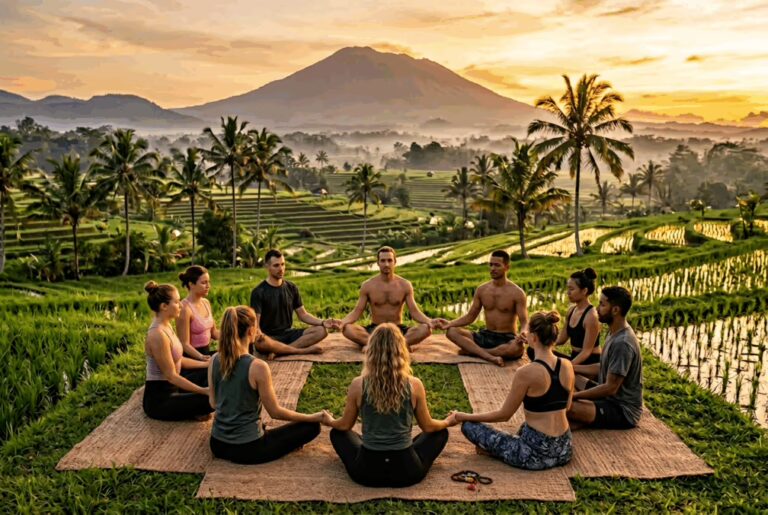
You can often pair cycling with yoga, cooking classes, hiking, meditation, spa treatments, etc. through your hotel’s concierge or local tour operators. You might even want to consider an overnight stay in a village along the route or a trip to a volcano as part of the overall experience.
Family And Group Considerations
Many cycling tours will accommodate mixed-ability riders when they use e-bikes. Hotels like Maya Ubud and Wapa di Ume offer family-friendly activity programs around their cycling tours.
How Hotels Drive Sustainable Active Tourism
Leading properties in Bali invest in community training for guides, terrace conservation projects and also in guest education on the Subak system. When they channel revenue in this fashion to local operators, they ensure that the economic benefits of tourism are flowing to farming communities rather than offshore.
Wellness integration is huge for resorts; their post-ride spa sessions, Balinese nutrient-dense meals (tempeh, tofu, rice, fresh veggies from local gardens), mindfulness programs, recovery centre programs, etc. help their guests recover and reflect as well, as spending more with the resorts.
This helps to turn a simple bike ride into a more transformative experience, which is precisely what discerning holidaymakers demand in 2026.
As Bali faces overtourism challenges, hotels that support this kind of active, dispersed travel (e.g. moving visitors from the beaches to the highlands) help to play a vital role in preserving the environment for future generations.
Real Traveller Experiences And Testimonials
Travellers to Bali consistently talk about how magical this kind of experience is: “Our e-bike tour at Jatiluwih was a real highlight of our stay. We glided past villages with roosters crowing and endless green landscape.”
Others credit their concierge services for flawless logistical arrangements that ensured that everything went smoothly from pickup to bespoke pacing to suit their needs.
One guest at Anantara talked about the transition from terraced cycling to riverside massage and said it was, “The perfect blend of adventure and indulgence.”
Final Thoughts: Pedalling Into The Heart Of Bali With Hotel Support
Cycling through Bali’s rice terraces offers an unforgettable blend of adventure, culture, exercise and natural beauty. Hotels and villas across Ubud, Jatiluwih and beyond are the pivotal enablers of this kind of tourism. They provide the gear, expertise, recovery facilities and sustainable frameworks that make active travel accessible and responsible.
Whether you opt for a luxurious riverside villa at Four Seasons Sayan, an immersive jungle retreat at Anantara, or go with a boutique eco-stay among the rice terraces themselves, your base will elevate your overall experience.
Book your stays with properties that prioritise active and green initiatives for the most rewarding trips.
If you’re ready to trade your lounge chair for handlebars, Bali’s rice terraces await you. Pack your spirit of adventure, choose a supportive hotel and discover the island’s soul one pedal stroke at a time.
If you enjoyed this piece, you might also enjoy our article on the cultural calendar of Bali or the one on monsoon myths which can have a big impact on a cycling holiday.