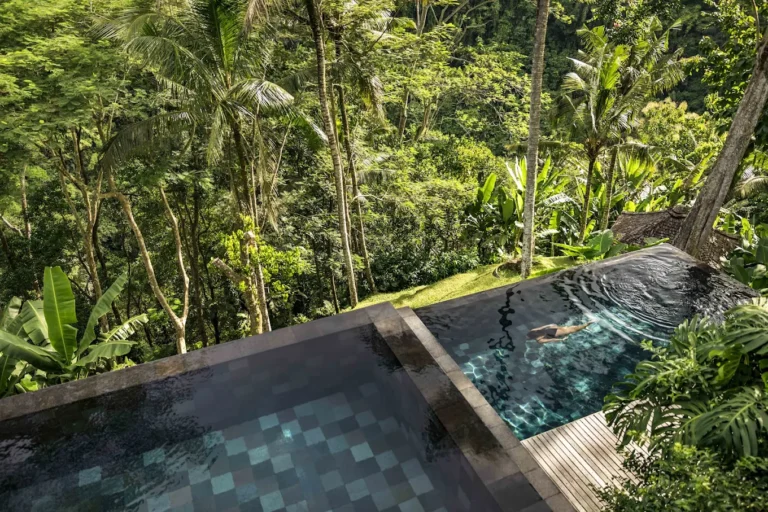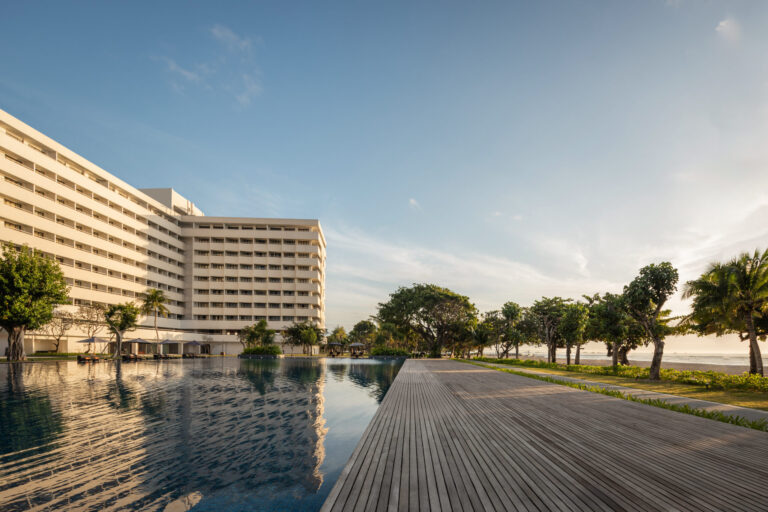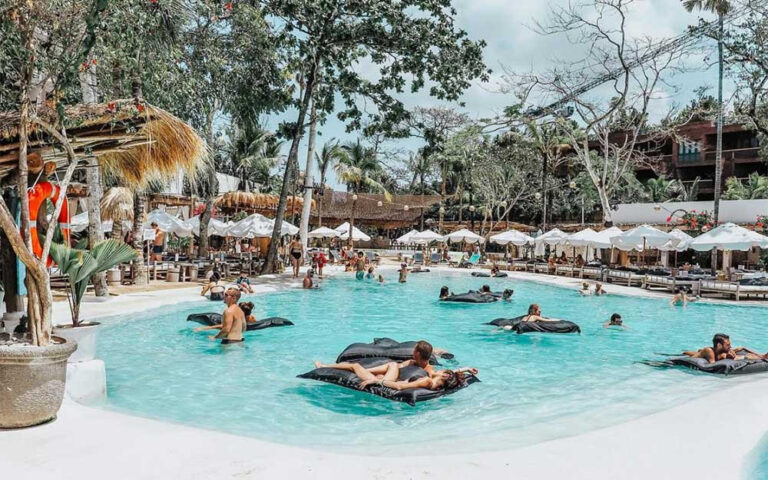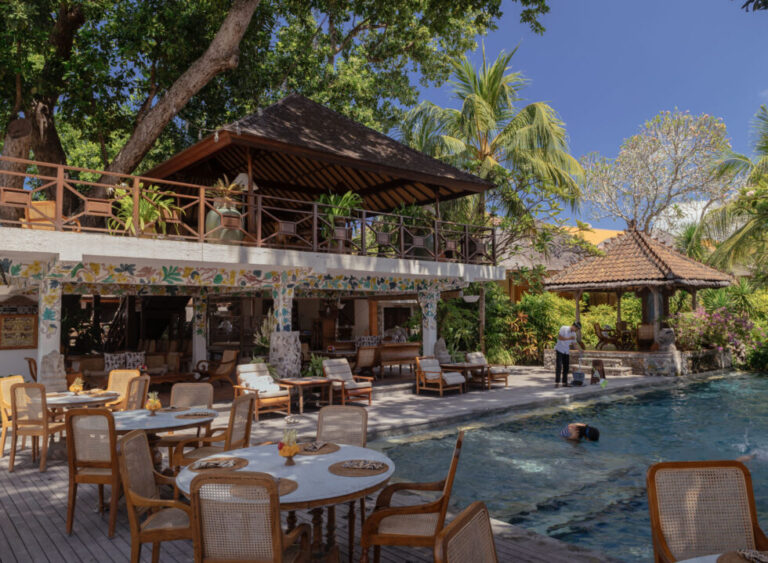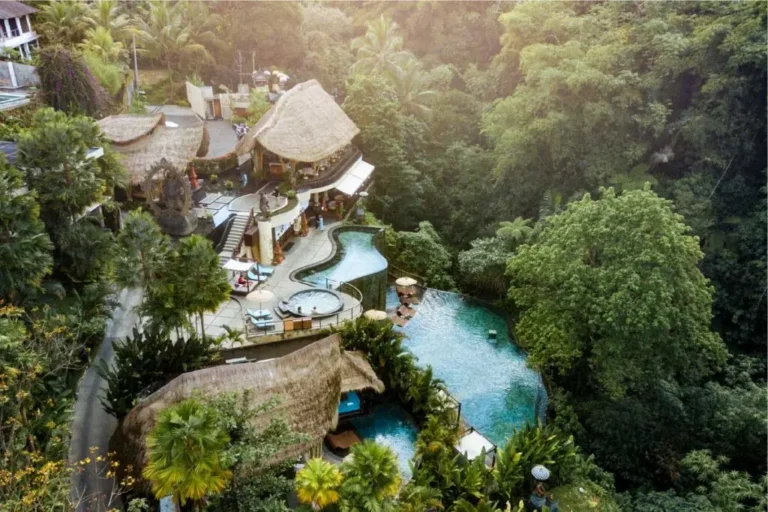

Bali may be one island, but it’s not a single destination. In fact, it’s a patchwork of wildly different environments stitched together to form the Island of Gods.
Most travellers book their holiday stay, be it a dream villa or luxury resort, based on the photos in the brochure of infinity pools overlooking the rice fields or dramatic cliffs with ocean views, only to discover that the weather just 30 minutes drive away feels completely different to where they are staying.
That’s the reality of the micro-climates that are found all across the island, they’re shaped by the towering volcanoes, dense jungles, coastal breezes and elevation changes.
And what even seasoned travellers don’t know is that if you understand these microclimates, you can elevate your holiday from “pretty good” to “unforgettable”. They can impact everything from your pool time to your sleep quality to which activities you will most enjoy and even your hotel’s energy bills and maintenance needs.
What Are Microclimates And Why Do They Matter In Bali?
Bali is just south of the equator, and that means it delivers consistently warm temperatures that holidaymakers love (roughly in the range of 26-32 degrees Celcius and 79-90 degrees Fahrenheit in the lowland areas).
However, Bali has some serious topography, and the mountains in the central region, like Mount Agung and Mount Batur, rise to heights of almost 3,000 meters above sea level. And there are lush valleys, varying coastlines and more, which create a series of hyper-local weather patterns.
Elevation, wind patterns and rain shadows often mean that weather conditions dramatically shift just a few (20-50) kilometres away.
Key drivers of these changes include:
- Elevation – for every 100 meters that you get above sea level, the temperature drops by around 0.6 degrees Celsius or 1 degree Fahrenheit. Thus, the highlands of Bali (such as the Kintamani Highlands) can be as much as 10 degrees cooler than the beaches of Canggu.
- Topography and rain shadows – those mountains are also tall enough to block and to channel the monsoon rains, thus the Southern peninsula is often drier while the central part of the island stays lush all year round.
- Sea breezes and humidity – coastal areas may benefit from ocean breezes, but they can also feel stickier at times.
- Vegetation – dense forest and rice terraces can increase local humidity and encourage rainfall.
For hotels and villas, this means that design, operations and guest satisfaction can vary enormously. A property in the highlands might best emphasise cozy fire pits and indoor-living with natural ventilation, whereas a beach resort needs to talk about shaded cabanas, infinity pools and robust drainage systems.
Bali’s Major Micro-Climate Zones: And How They Impact Hotel Experiences
So, let’s look at the major microclimates on the island and what you need to know before you book a place to stay.
Southern Coastal Lowlands (Canggu, Seminyak, Kuta, Jimbaran, Uluwatu, Sanur and Nusa Dua)
These are among the hottest and driest places on the island (and the Bukit Peninsula, in particular, is very dry). Daytime highs can regularly hit 30-33 degrees Celsius (86 to 92 degrees Fahrenheit) with lower levels of rainfall during the “peak season” of May to October. Sea breezes do provide some relief, but the humidity almost never drops below 70% and is more likely to hover around 80%.
Hotel Experiences:
- These areas are excellent for beachfront properties with large outdoor spaces and pools that stay warm without heating. Guests will enjoy consistent sunshine for sunbathing, surfing and sunset dinners.
- There are also challenges in this part of Bali, including intense UV (requiring regular use of sunscreen, particularly in the middle of the day), high cooling costs (AC is essential, and Bali’s electricity is made by burning coal), and, in some areas (particularly Uluwatu), water shortages are a real issue. Resorts need to have invested heavily in shade, evaporative cooling and sustainable water management.
- What travellers often miss when preparing for a holiday in this region is that even during the “dry” season, short, tropical showers are fairly common, and the evenings remain balmy as opposed to refreshingly cool. It’s best to pack light linens and breathable fabrics.
These areas tend to be popular with families, honeymooners seeking luxury, and beach lovers. Canggu is the most diverse and exciting area in this micro-climate, and Nusa Dua is a planned resort enclave that hosts many international 5-star resorts.
Central Highlands And Ubud Area (Ubud, Tegallalang, and Payangan)
At an altitude of roughly 300 – 600 meters above the coastal region, Ubud is roughly 2-5 degrees cooler than the beaches. However, there are higher levels of humidity and frequent afternoon rains (even in the dry season), which ensure that the landscape remains impossibly green all year round. Night-time temperatures can be a very comfortable 20-24 degrees Celsius (68-75 degrees Fahrenheit).
Hotel Experiences:
- Villas in rice paddies and jungle environments can benefit from natural cooling. Open-air bathrooms and pavilion-style designs shine here, which cuts down on the need for aggressive air-conditioning.
- Morning mists over the rice terraces and cooler evenings can create a romantic, rejuvenating atmosphere which is perfect for yoga, spa treatments and cultural immersion.
- What travellers often don’t know about this region is that higher rainfall can make paths slippery and shoe choice is paramount; they also lead to a substantial uptick in mosquito activity (requiring sensible precautions against bites), and it leads to a need for more regular maintenance to fend off mould or dampness. Smart hotels can use elevated structures, good ventilation, and dehumidifiers in closets.
Properties in this area excel for wellness travellers and culture seekers; it’s common for guests to remark on deeper, longer sleep patterns thanks to the cooler nights.
Higher Highlands (Bedugul, Munduk, Kintamani, Sidemen, etc.)
At 900-1,400 meters above the coastal towns, these areas can feel like being in a completely different country. Daytime temperatures are a very pleasant 20-26 degrees Celsius (68 – 79 degrees Fahrenheit), and nights can drop down to 13-18 degrees (55 – 64).
There are frequent clouds, mists and rain and these support coffee plantations, lakes and waterfalls.
Hotel Experiences:
- Boutique eco-resorts and glamping sites here tend to emphasise fireplaces, thick blankets and well-appointed indoor lounges. Views of volcanoes and lakes are very dramatic in clear weather, but can be lost or shrouded in mist in other conditions.
- This area is perfect for hikers, nature lovers and people ready to escape the heat of the coastal regions. The air feels fresh on your skin and invigorating.
- What travellers don’t know about this part of Bali is that you need to pack layers to give yourself control over the temperature. Rain can be very persistent, which can spoil outdoor dining and infinity pool use (they’re not heated and can get cold). Ideally, hotels are designed to withstand wind and potentially very heavy seasonal downpours.
These spots attract travellers seeking tranquillity and a more “authentic” Bali away from the crowds.
Northern And Eastern Coasts (Amed, Lovina and Pemuteran)
These areas are in partial rain shadows from the mountains. They can often be drier than the South Coast during the wet season, but also windier. Black sand beaches and calmer waters are the prevailing vibe of these areas. Temperatures tend to be similar to the Southern Coasts, but often see more variation.
Hotel Experiences:
- This area has smaller boutique hotels and dive resorts. There’s less humidity and still reliable sunshine in the dry season, and many months here support good snorkelling and relaxation.
- Fewer crowds lead to more intimate guest experiences and easier personalisation of services, but conversely, the area’s lack of popularity can lead to staff with less training and polish than in other areas.
How Bali’s Microclimates Can Directly Impact The Quality Of Your Holiday
- Sleep and comfort – the coastal heat can make nights very stuffy without air-conditioning, while the highlands may be cooler, you may also need blankets. Ubud’s climate seems to lead to a refreshing night’s sleep without the lethargy many people experience in the tropics when they wake.
- Activities and itineraries – you might want to plan beach days in the South during the shoulder seasons when highlands are wet, and conversely, aim to get the most out of days in the highlands by using the cool mornings for hiking before taking afternoon showers.
- Pools and outdoor living – the pools in the coastal areas are always inviting and warm, pools in the highlands may need heating or become too cold for lounging around and relaxing in, though they’re fine for a refreshing swim. Hotels in the highlands often have heated and covered outdoor spaces.
- Health and wellness – cooler parts of the island reduce the risks of sunburn and heat stroke, but can increase the risk of being cold enough to feel chills. Higher humidity areas in Central Bali can boost the presence of mosquitoes, and it’s a good idea to choose properties with screens and natural repellents in place.
- Photography and ambience – golden hour leads to wonderful cliff-top or oceanfront shots on the South Coast, whereas the misty mornings in Munduk, for example, can create very ethereal moods.
- Sustainability – hotels in drier zones need to focus on water conservation and power conservation efforts for air conditioning. Highland properties can leverage natural cooling to cut their energy use.
How To Choose The Right Hotel: Expert Tips From Bali Hospitality Professionals
- Match the climate to your priorities – beach and sun? Head south. Culture and cool? Ubud or beyond. Adventure and quiet? North/East Bali or the highlands.
- Check the micro-location – even within a single location like Ubud, there’s a difference between staying on a valley floor and a ridge line. Ask the hotel for specifics on elevation and exposure to get a finer understanding of what’s available.
- Seasons matter more in some areas – the dry season (from May to October) is safe for broad travel everywhere, but the Wet Season is better spent on the drier South Coast or maybe heading inland for lush greenery.
- Hotel design clues – look for natural ventilation, shading, and climate-appropriate amenities in the descriptions. Many luxury properties now highlight their local microclimate adaptations.
- Read recent reviews – look for mentions of rain, temperature or wind in the specific months that you are travelling in.
- Multi-base itineraries – savvy Bali travellers will split their time on the island, say with 3-4 nights by the ocean, 3-4 nights in Ubud or the highlands, and a couple of days somewhere else. This helps to hedge against unfortunate weather conditions.
- Pack smart – lightweight layers, quick-drying clothes, reef-safe sunscreen, a light jacket or shawl, and some quality rain cover are essential.
What Hotels Hear From Their Guests In Bali
“I booked a rice field villa in Ubud because I loved the perfect Instagram vibe I was getting from their photos. But, it rained every afternoon, and while we had a very nice cozy time indoors with tea and spa treatments, I wish I’d known in advance it would be like this.”
“We stayed in Uluwatu in January, and it was much drier and sunnier than our friends experienced over in Seminyak. The cliff-top breezes are an absolute win for early morning yoga.”
The micro-climate clearly matters to guests.
Microclimates: Broader Implications For Bali’s Hospitality Industry
Microclimates aren’t trivial to the properties themselves; they have an impact on staffing and long-term viability.
In wetter zones, they have to invest in landscaping to handle heavy rain and the potential erosion that it brings. In drier areas, water rights and guest expectations for lush garden areas need to be carefully considered.
Forward-thinking hotels are turning to climate data for everything from menu planning (for example, fresh local produce is different by climate zone) to their event scheduling.
With climate change, understanding the micro-variations on the island is a critical part of developing sustainable tourism activities.
Final Thoughts On Bali’s Microclimates And Holiday Stays
Bali’s microclimates are not an inconvenience. They are the secret ingredient to making a stay on this island magical. One day, you’re at the beach, surfing warm blue waves under clear skies and the next, you’re sitting on a rice terrace, sipping coffee and enjoying the mist rolling over an ancient temple.
Travellers who do their research can enjoy richer, more authentic experiences, so look past the pool photos and ask, “What’s the microclimate like here? And how does this hotel work with that microclimate?” If you do, your future self will be well-rested, relaxed and happy and thanking you for doing your homework.
Whether you’re seeking the vibrant energy of the beach towns or the serene days of the misty highlands, Bali has a perfect place for you. The key is simply knowing which one(s) match the experiences you truly desire. Safe travels, and may your Bali-stay be perfectly climatically attuned.
Check our guides to how climate change is shaping Bali’s future and farm-to-table dining in Bali.