Bali is on so many travellers’ bucket lists because of its reputation as a paradise on Earth. Its rice paddies, its ancient temples and promise of spiritual rejuvenation are almost universally appealing.
Yet for decades, the island has also been a global surfing Mecca. From the early pioneers who sought out the perfect left-handers from the 1930s onward, to today’s luxury resorts that seamlessly weave surf culture into high-end hospitality, Bali’s surf scene continues to evolve dramatically.
Modern resorts no longer treat surfing as an add-on activity when they can embed it into the guest experience, instead. It blends adrenaline, wellness, sustainability and most of all, a Balinese authenticity that’s hard to beat.
This integration helps to define contemporary hospitality properties in Bali, and it appeals to everyone from first-time wave riders to seasoned pros seeking a more refined lifestyle escape.
At Bali’s Best Hotels, we’ve talked to hoteliers and learned how this fusion helps to drive bookings, boost stay lengths and elevate brand visibility. Resorts that authentically embrace the essence of surf culture outperform generic luxury properties in guest loyalty and demand.
So, let’s take a look at the rich history, current integrations, standout examples, benefits, challenges and future outlook of this fascinating and dynamic synergy.
The Roots Of Surf Culture In Bali
Surfing seems to have officially arrived in Bali back in the 1930s when Bob Koke (an American hotelier and surfing enthusiast based in California) brought the sport to the sands of Kuta Beach.
He was said to have built boards and encouraged both local Balinese people and visitors to ride the gentle beach breaks. However, it’s fair to say that it was very much a niche pursuit until the 1960s and 1970s.
It was in these decades that Australian surfers began to flock to Bali after hearing tales of the island’s legendary and uncrowded waves. Films like Morning of the Earth (1971) helped to showcase the incredible barrels of Uluwatu and helped to cement the iconic status of Bali’s surf scene in the public’s imagination.
And, of course, as the surfers came, certain spots built up iconic reputations as they catered to them. Kuta was the choice for beginners thanks to the beach’s forgiving sandy bottoms (it’s worth noting that this beach is much changed today and is no longer the same place as it was back then for surfers or anybody else).
Then Canggu was top pick for intermediates with its slightly forgiving beach breaks at Batu Bolong and Old Man’s. The Bukit Peninsula’s reef-based gems, such as Uluwatu, Padang Padang and Bingin, were the places for advanced riders to test their skills against challenging hollow lefts.
These waves, powered by consistent Indian Ocean swells (particularly in the June-September months), combined with pleasantly warm water, vibrant local Hindu culture and a laid-back island vibe, created a truly unique surf ecosystem.
The early surf culture on the island was raw. You stayed in a losmen (a simple local guesthouse), ate in warungs serving nasi goreng and nasi campur and hung out with a tight-knit community of locals, expats and travelling surfers.
Baliinese youth began to embrace the sport, blending it with their own traditions of ocean respect and communal living. This grassroots foundation is something that today’s premium resort offerings have built on, with the understanding that authenticity is key to guest appeal.
From Backpacker Bungalows On the Beach To Surf-Infused Luxury
The 1990s and 200s saw Bali’s tourism boom begin to transform surf accommodations. Basic surf camps gave way to boutique resorts and full-scale hotels targeting the “surf and stay” travellers who wanted proximity to the best waves, but didn’t want to sacrifice their comforts.
Today’s modern resorts integrate surf culture into their offerings holistically:
- Prime locations – Canggu and Uluwatu properties ensure that guests are either a few steps or a short transfer away from the beach and the world-class breaks
- Dedicated facilities – hotels provide surf lockers, rinse stations, board repair facilities and even on-site shaping bays.
- Expert programming – they partner with professional coaches and offer guided sessions and even video analysis to help you up your surfing game.
- Lifestyle extensions – then there are the complementary activities that mirror the surf lifestyle, such as yoga, wellness, healthy eating and local cultural activities.
This shift reflects one of the broadest trends in hospitality today: the demand for experiential travel.
Guests want more than a bed for the night; they want immersion in their chosen activities, and the resorts are responding by curating “surf journeys” in keeping with the cultural and spiritual ethos of Bali.
Key Elements Of Surf Culture Integration In Modern Resorts
There’s more to this integration than first meets the eye, and top resorts tend to do much, if not all, of the following;
Surf Lessons, Camps, And Guiding
It’s easy for resorts to partner with ISA (International Surfing Association)-certified schools for all levels of surfers. Beginners can start in Canggu with soft waves and then, in the same location, start to tackle the reef-breaks with tide-specific coaching and guidance.
Luxury options can extend to private coaches, drone footage analysis, and multi-day camps focused on progressive skill-building. Many properties now offer women-only or family-focused programs for those travellers seeking a slightly less male-dominated learning environment.
Surfing Equipment And Pro Shops
High-end resorts can also work with premium brands (such as Pyzel, Channel Islands, etc.) to ensure they carry stock or provide eco-friendly soft-tops and custom rentals.
Some properties, particularly in Canggu, may host board-shaping workshops or have their own on-site retail stores.
Accommodations With A Surfing Soul
Surf villas with direct ocean views, private plunge pools to aid in recovery, and decor that’s been inspired by wave aesthetics, such as driftwood, ocean blues and local artisanal touches, is the future. Cliff-top properties in Uluwatu may also offer dramatic views of breaking waves.
Wellness: Surf + Yoga Combined
Surfing requires a combination of physical and mental toughness; resorts may amplify this with daily yoga, meditation, breathwork and spa therapies. “Surf & Yoga” packages in Bali are extremely popular; they blend morning sessions in the water with afternoon vinyasa or yin classes. This holistic approach allows the guest to tap into Bali’s excellent wellness reputation and achieve a flow state both on and off the board.
Culinary Experiences
And, of course, post-surf recovery sessions thrive on creative menus. Resorts might serve fresh acai bowls, smoothie bowls, grilled seafood and Balinese classics with a healthy twist. Beach clubs and sunset dining spots in Canggu will blend international flavours with local ingredients and often feature live music or surf-themed events. Resorts may also offer cooking classes with sustainable catch or farm-to-table produce.
Sustainability And Community
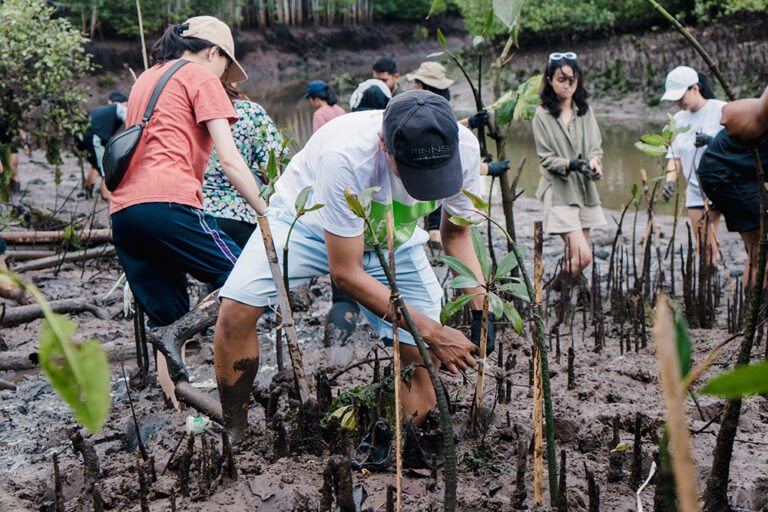
Forward-thinking resorts emphasise eco-boards (made from recycled materials), reef-safe sunscreen for surfers, beach cleanups and support for the local surfing community. They run plastic-free initiatives, use solar power and participate in mangrove restoration projects to align surf culture’s reverence for a healthy ocean with responsible tourism.
Standout Examples Of Bali Resorts
Uluwatu Cliff-Top Icons
Uluwatu Surf Villas provide surfers with cliff-front access to some of the most iconic waves in Bali. They deliver yoga and wholesome cuisine in an almost sacred, rebalancing setting. Anantara Uluwatu delivers luxury suites with private elevators to beach breaks, plus an excellent spa and fine dining regime. Dreamsea Surf Camp and Suarga Padang Padang, on the other hand, provide bamboo-based eco-luxury right above Pantai Padang Padang.
Canngu Vibes
Properties like Kima Surf and COMO Uma Canggu combine beachfront access with trendy cafes and vibrant community energy. Further Hotel in Pererenan holds Thomas Surfboards workshops, and others emphasise family and/or social surf camps.
Boutique And Hybrid Gems
The Edge and Six Senses properties provide ultra-exclusive surfing experiences with personalised guiding and complete wellness programming to support them.
Our examples all succeed by balancing a demand for luxury with genuine surfing soul, they don’t feel contrived, just what’s needed.
Benefits For Guests And For Resorts
For guests, this integrated approach to surf culture in Bali creates the potential for truly transformative trips. Real skill progression, increased physical fitness, better mental clarity, cross-cultural connections and unforgettable memories.
And it’s important to note, that non-surfers or the partners of surfers don’t miss out, the resorts provide other complementary services and activities to ensure that there’s a broad appeal, rather than catering only to obsessive surfers.
For Bali’s resorts, surf culture enables differentiation in one of the most competitive markets on the planet. It helps them to increase their direct bookings (particularly because marketing can be much easier for surfing keywords than for more competitive resort keywords), it helps them to extend the average length of stay and generates higher revenues by selling surfing packages.
They find that authentic storytelling then helps them to boost their social proof and encourages repeat visits. There’s an acknowledgement that environmentally conscious practices help to attract premium demographics that are willing to pay a substantial premium for sustainable travel.
Challenges Facing This Surf Culture Integration
However, it’s not all plain sailing (or surfing); there are real challenges on the horizon for Bali’s surf travel scene. Overcrowding at popular breaks can put a strain on localism and wave etiquette.
Coastal development is threatening reefs and access to those reefs. Waste management and water scarcity issues are a threat to tourism across the island.
It’s important that the economic benefits of surf tourism are balanced against the need to safeguard and provide environmental protection for the very waves that bring in the surfers in the first place.
Future trends in this area of travel also suggest greater tech integration (surf apps with wave forecasts and increasingly flexible booking and purchasing systems), a greater level of regenerative tourism, and year-round offerings that effectively leverage the microclimate conditions on the island.
We’d also expect to see a rise in hybrid experiences, that is, surfing combined with other things such as cultural immersion or digital detox, and even adventure extensions with trips to lesser-known islands as part of the Bali experience.
Most of all, we feel certain that resorts that lead with genuine community partnerships and carbon-conscious operations will position themselves at the forefront of the pack.
Final Thoughts: Embracing Bali’s Future Wave
Surf culture’s integration into Bali’s modern luxury resorts and lifestyle is a wonderful example of harmonious evolution. It marries ancient island traditions with global adventure seekers in a setting of incredible natural beauty.
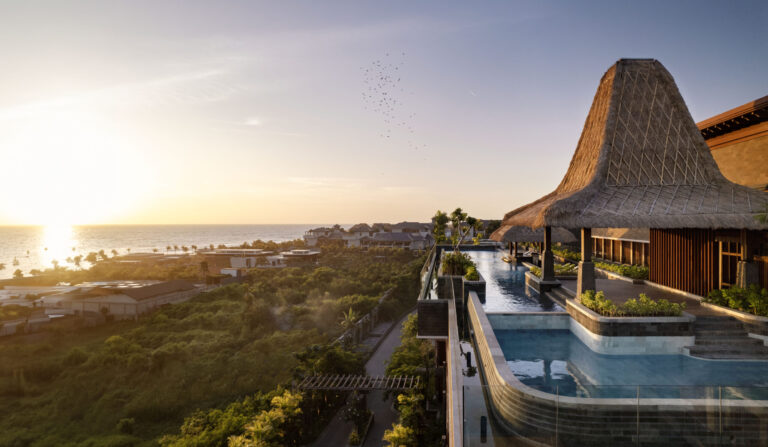
Whether you intend to chase barrels in Uluwatu, learn your first pop-up in Canggu, or simply soak in the lifestyle without picking up a board from a cliff-top infinity pool, these experiences will bring people more than just a holiday. They provide connection to the ocean, to the self and to a vibrant community of down-to-Earth folk.
Bali’s resorts have helped to transform a nice passion into a holistic lifestyle package and without surrendering the rebellious soul at the core of surfing. For hospitality operators on the island, it’s a clear lesson – authenticity and integration are the way to win.
And for travellers visiting Bali, the invitation is open, it’s time to pack your board (or rent one when you get off the plane) and book your first surf-yoga package and let Bali’s waves help to rewrite your own story.
If you’re ready to ride, then Bali’s premier surf-integrated resorts are ready to help you craft your perfect escape. The ocean is calling, are you going to answer?
You can also check out our guides to solo female travel in Bali and how traditional Balinese hospitality changes modern hotels.