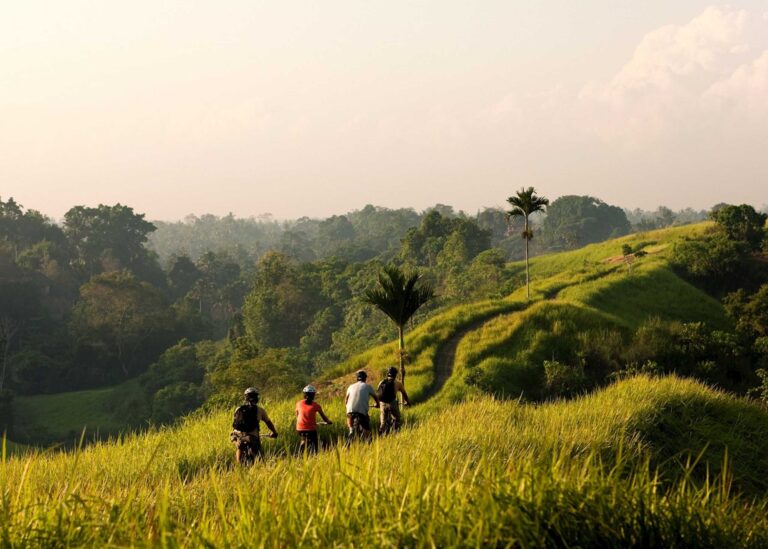

Bali’s undeniable appeal; its beaches, rice terraces, temples and, most of all, its warm hospitality culture, brings in millions of visitors to the island each year.
That’s good news for the economy, but it’s fair to say that tourism has a downside too: it can put a strain on local resources, distress and deform the local culture and drastically change local communities.
In response to these challenges, ethical hotel practices are becoming increasingly important. They’re no longer some sort of “niche” green principle; they are the future of tourism. Tourism that fails to value the existing community is doomed in the long-term.
So, let’s take a look at the real world of Balinese tourism and the ethical practices that hotels are implementing here. We’ll explore topics as diverse as job creation to cultural preservation.
Whether you are a traveller, a hotelier or an advocate of sustainable tourism principles and practices, you can help to shape a better tomorrow for Bali by understanding these dynamics and helping to ensure that they are implemented.
Understanding Ethical Hotel Practices In Bali
Ethical is not the same as legal. All hotels in Bali have to meet some basic legal requirements, but ethical hotels go beyond this. They ensure that their core operations factor in cultural respect, community relations, social equity and, of course, environmental stewardship.
This comes pretty naturally in Bail, thanks to the local principle of Tri Hita Karana. This is a philosophy that tries to ensure that there is harmony between the people on the island, the natural environment of the island and the divine spirits of the island.
Some of the key pillars of ethical hotel practices include:
- Local sourcing – by prioritising Balinese farmers, artisans and suppliers, wealth is kept within the community
- Fair employment practices – that is, hiring and training locals and ensuring they have living wages, fair benefits and the potential for career development
- Community investment – the funding of educational programs, developing local infrastructure, and engaging in cultural outreach
- Environmental management – carrying out activities such as zero-plastic use, waste reduction or elimination, water conservation, using renewable energy, and biodiversity protection
- Cultural integrity – hotels can show respect for sacred sites and help to support and embrace local traditions rather than commodifying them
Some of the standards above can result in hotels obtaining certifications from auditing bodies such as Green Globe, while others require the management team to develop their own rigorous standards.
The intention of these efforts is for two direct benefits: stronger local communities and more authentic experiences for their guests.
Economic Empowerment In Bali’s Hotels: Jobs, Skills And Local Supply Chains
It’s fair to say that Bali’s economy is now entirely dependent on tourism. 9 in every 10 dollars spent on the island is either directly or indirectly related to tourist activities. This is, in theory, good news for the people of Bali.
However, there’s a real problem of economic leakage. That is, profits generated from tourism in Bali do not remain on the island; they are either repatriated by foreign owners or they are spent on imported goods.
Ethical hotels are able to help reduce this capital outflow and ensure that more of the money spent in Bali remains in Bali.
Firstly, properties here usually commit to hiring 70-90% local staff, and that’s for a wide variety of roles, including entry-level positions for housekeeping through to senior management. These efforts are supported with training programs that deliver English, digital literacy, hospitality, etc., certifications and skills.
There’s often nothing to stop someone from starting a career as a cleaner and then rapidly progressing up to a department manager. This not only helps the worker, but it also helps to inspire others within the community to seek out employment opportunities with hotels that are invested in them.
Local sourcing, of course, helps to multiply the economic impact of a business. An ethical resort can partner with nearby farms for local, organic produce. This, in turn, helps to minimise the carbon footprint and boost agricultural income in the area.
Balinese artisans can supply furniture, textiles, etc., and this also helps to sustain traditional crafts and challenges them to evolve to meet modern standards.
And then there’s composting, where kitchen waste becomes fertiliser for the local farms and gardens, closing the circle for regenerative agriculture.
In some parts of Bali, such as the villages near Ubud and Sidemen, these healthy local partnerships provide a steady, reliable income that doesn’t fluctuate as much as other tourism-related activities.
It’s also worth noting that during the lockdowns and slump caused by COVID-19, many of the best hotels with already strong community ties actually helped to distribute aid and to create alternative livelihood programs that enabled the communities to be more resilient than they might otherwise have been.
Cultural Preservation And Community Pride
Many believe that Bali’s greatest asset is not its beaches or its jungles or volcanoes or rice fields but its culture. It may also be the most vulnerable asset on the island.
Mass tourism has sometimes seen resorts staging pseudo-cultural experiences, and has led to some of the most sacred sites being overwhelmed by visitors.
The ethical hotel industry seeks to reverse this trend. It does so by supporting authentic cultural engagement.
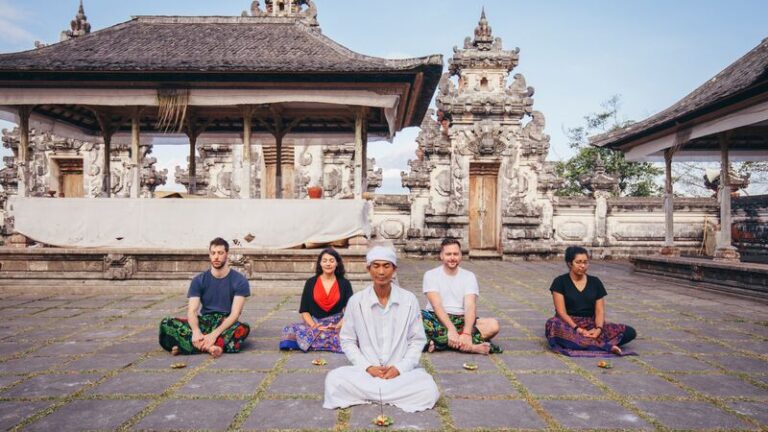
Many resorts and hotels will collaborate with the local banjar (village council) and help to sponsor temple restoration work, local traditional dance troupes, etc. Their guests may then participate in a respectful fashion in local activities such as the melukat ritual (a form of water cleansing) or assisting with planting rice.
This helps to build an element of genuine cultural exchange rather than just a performative space for cultural voyeurism.
Many resorts will also support education efforts. This often begins with funding scholarships and English classes in the surrounding villages. Other hotels may run programs that try to involve the youth in sustainable tourism to help them learn about their heritage and how their values may protect the island for future generations.
Work like this helps to create a sense of pride on the ground. When a community gets tangible benefits from tourism, such as a repaired temple complex, a thriving arts scene, a stable agricultural heritage and empowered youth, they start to see tourism as a thing of value, not an intrusion into their way of life.
Community-based tourism models (CBT), which are used in villages like Tenganan and Penglipuran, are the best examples of this. In these places, the locals manage homestays and visitor experiences themselves.
Environmental Interventions That Benefit The Balinese People
Green living is often thought of as a bit of a buzzword if you live in a Western city, but environmental degradation in Bali caused by overtourism is a real issue for the communities here.
There are problems with water scarcity, ever-growing mounds of trash, plastic pollution, coral reef damage, etc. The most ethical hotels seek to address these issues head-on. They turn sustainability initiatives into a way of cultivating community support.
Activities in this area include:
- Enhanced water management – this includes greywater recycling, harvesting rainwater, etc., to ease pressure on the local water supply. This directly benefits the farms and households in the catchment area that the resort serves.
- Waste initiatives – think comprehensive recycling efforts, including composting, to hugely reduce the burden on landfills. Many recycling efforts can generate additional revenue flows that can be used to help fund local education or sponsor clean-up drives.
- Biodiversity projects – sponsoring mangrove restoration, turtle conservation, coral growth, reforestation, etc. help to create local jobs and protect the unique ecosystem of the island, which is necessary for fishing and farming.
- Renewable energy – solar installations, for example, can help to reduce operating costs, and that frees up budget for alternative community projects.
It’s fair to say that these environmental efforts are all about improving the quality of people’s lives. Cleaner beaches and healthier rice paddies aren’t a gimmick either; they support traditional livelihoods and ensure the appeal of the island for tourists in the years to come.
Real-Life Examples: Hotels In Bali Already Making A Difference
As we acknowledged at the start of this article, this isn’t theory; there are already plenty of ethical properties in Bali making real headway in their efforts to support local communities. These include:
- Alila Villas Uluwatu is the flagship property in Bali for the Hyatt’s “world of care” program, which sets out standards for sustainable development and community engagement. This includes commitments to zero waste (through the Sustainability Lab), ecologically sound architecture, supply and wellness through local, organic produce and direct community engagement to support the development of the local people.
- Viceroy Bali is well known for its recycling efforts and for funding children’s education. It also runs local initiatives helping to raise awareness for helmet use on the roads and for local schools.
- Bambu Indah is one of the most luxurious properties on the island, and it uses local materials, supports a circular economy and helps to immerse its guests in village life.
- Westin Resort Nusa Dua, this resort has one of the most innovative approaches to composting and is highly respected for its contribution to the local garden environment.
- Soori Bali and Buahan by Banyan Tree both showcase extraordinary regenerative approaches and high levels of community integration.
And we must stress that these aren’t isolated cases; they are just some examples. The Bali Hotels Association and other bodies also offer various certifications to help promote wider adoption of community initiatives within the hotel industry on the island.
Challenges Resorts Face On The Path To Ethical Hospitality
It’s also important to note that adopting ethical practices isn’t all plain sailing for the resorts. There are real barriers to this way of working.
Firstly, there are higher upfront costs for sustainable technology, and training programs, and even local sourcing can put real pressure on margins.
There’s always a temptation to greenwash, that is, to let marketing rather than real action take precedence. Fortunately, this approach is becoming less common thanks to the erosion of trust that it causes with consumers.
And then, there are the standards of hotel challenges around the world – rapid local development and global competition.
There’s also real variation in the levels of community involvement in many of these corporate programs. Some villages feel like they have been excluded from benefiting from the high-end resorts in their midst.
Regulatory gaps and infrastructure limitations (such as waste processing facilities, decent roads, etc.) are also a barrier to better practices in many cases.
Success in ethical pursuits means that hotels need to work not just with the community, but also with NGOs and the government. It’s a long, slow haul at times to get everyone on the same page.
Measuring The Impact Of Ethical Hospitality In Bali
The good news is that there are studies that support these practices and which show tangible results for those willing to put in the hard work. Ethical commitments deliver:
- Economic Multipliers – money that is spent locally will circulate 2-3 times more often than it does when a business relies on imported goods
- Social Cohesion – by reducing inequality, hotels build stronger community relationships
- Cultural Vitality – traditions are effectively passed on to the younger generations rather than being lost and diminishing the authenticity of a Bali travel experience
- Environmental Recovery – healthier local ecosystems will support fisheries and agriculture and make local sourcing easier, which in turn, helps to promote tourism
- Guest Loyalty – there’s no doubt that a growing number of travellers are willing to pay a premium for authentic, ethical experiences and that those travellers often come back again and again, which boosts occupancy and reviews
Bali’s community-centric models are often considered to be among the best in the business, and they are a significant draw for those who believe in regenerative tourism.
How Can Travellers And Hoteliers Contribute To This?
The good news is that it’s easy to contribute towards ethical tourism and you don’t have to start by spending a fortune.
Travellers can:
- Opt for either certified or ethically transparent hotel properties when they stay
- Eat at local warungs (restaurants), buy from local craftspeople, and try to join activities that give back to the community
- Respect local customs
- Cut down on waste and try to conserve water as they travel
- Support local initiatives by visiting a local village or making a donation
Hoteliers can:
- Conduct regular ethical needs assessments
- Set measurable KPIs for local hiring, sourcing and impact. Not everything needs to be changed at once, and it’s fine to set achievable goals and then slowly make them more challenging
- Partner with local banjars and NGOs to ensure that the impact of something will be properly perceived on the ground
- Communicate with authenticity. If you want people to trust your sincerity, you have to be transparent with them
- Invest in both staff development and new technology to drive efficiency
Final Thoughts On A Shared Ethical Future For Bali’s Hospitality Industry
It’s important to understand that an ethical hotel isn’t a charity. It’s both a moral necessity and a smart business practice. It’s a way of ensuring that Bali (and thus their investment in the island) remains vibrant and culturally rich for future generations.
The true impact of these efforts is, of course, in the bottom line, but it can also be seen in thriving local communities, empowered families, preserved temples, restored landscapes and ecosystems.
Both travellers and hoteliers have some responsibility for shaping this future with their decisions.
Are you ready to experience Bali’s ethical hospitality? Why not book your hotel today and come and see and engage with Bali’s communities for yourself?
We’d also encourage you to read our piece on what to expect from luxury hospitality in Bali in the near future and our guide to check-in through check-out on the island.