Bali is often called the “island of the Gods”. While it captivates the imagination of millions of travellers worldwide thanks to its stunning beaches and lush rice terraces, perhaps its biggest draw is its profound spiritual heritage.
There are, quite literally, thousands of temples (“pura” in Balinese) that dot the island’s landscape, and they range from dramatic clifftop shrines such as the famous Uluwatu Temple to serene water palaces like Tirta Empul.
For many visitors to Bali, especially those staying in the world-class hotels and resorts, understanding the local temple etiquette isn’t just polite; it’s part of ensuring that their time on the island is both meaningful and respectful.
One of the things that we’ve learned over the years here is that cultural awareness can transform a good time into something unforgettable. Hotels help to play a pivotal role in this; they can curate safe, insightful cultural programs that bridge the gap between luxurious comforts and authentic island-life immersion.
This guide helps you to understand all you need to know about temple etiquette and how to leverage a hotel-led experience into a deep connection with Bali and its people. Whether you are planning your first trip or coming back for more, these insights can help you to travel responsibly while boosting your enjoyment of your stay.
Why Temples Matter In Bali: The Spiritual Core Of Island Life
Balinese Hinduism is a unique spiritual practice. It blends traditional Indian Hinduism with the local animist and ancestral worship practices that predate the arrival of Hinduism.
If you’ve spent any time at all in Bali, you’ll understand that Balinese Hinduism is a major part of everyday life here. Temples aren’t tourist attractions. They are living and sacred spaces where local communities will gather for rituals, festivals (odalan), and to make offerings.
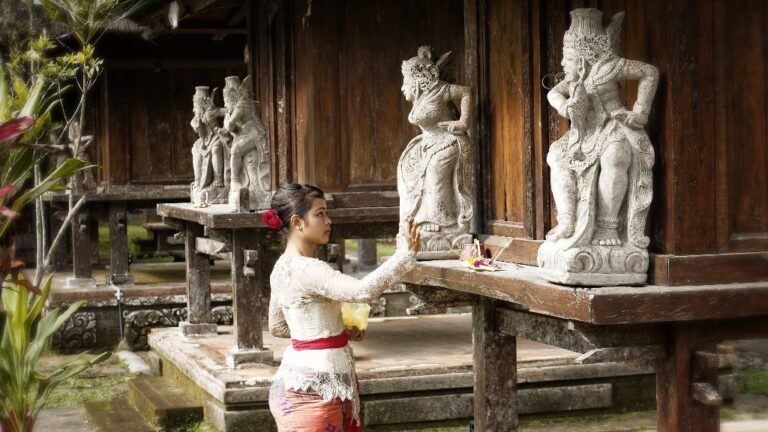
These offerings can also be seen all over the island, particularly canang sari, which are intricately made palm-leaf trays that contain flowers, rice and incense.
It’s estimated that there are over 20,000 temples in Bali (we should note that there’s no real way to verify this estimate; new temples open every day; they don’t all appear on maps; and there’s no registration process to speak of for temples, either).
These temples can be categorised as:
- The Sad Kahyanagan (the six major directional temples of the island, which include Besakih, “the mother temple”)
- Water temples and mountain shrines, which protect the island against threats from the lakes or the volcanoes
- Sea temples like Tanah Lot and Uluwatu, which shield Bali from the power of the ocean
- Village and family temples within family compounds, these are, of course, the most numerous
If you have this context, you can start to elevate your trip to Bali from a series of photo opportunities to genuine cultural appreciation.
Many hotels in places like Ubud and Uluwatu already recognise this, and they design experiences around temples, often carried out in partnership with the local priests, guides and artisans.
Essential Temple Etiquette: Rules That Every Visitor Is Expected To Follow
It’s important to note that respect in temples is not optional. While the Balinese people are famed for their warm, welcoming natures, lapses in etiquette can stir discomfort and offence.
You should also know that failure to behave respectfully in temples can lead to legal consequences, and in extreme cases, they have led to people being deported from Indonesia.
The Dress Code: Modesty Is Not Optional
The dress code is mandatory, but it’s also not too onerous:
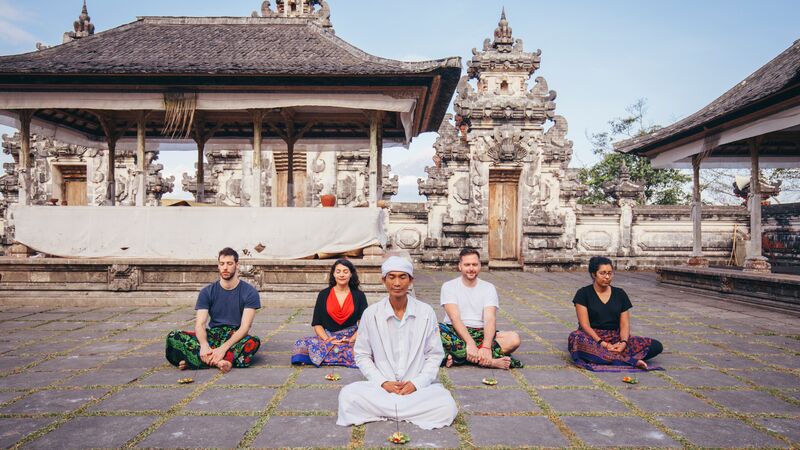
- You must wear a sarong (this is kind of a wrapped skirt that covers your legs to the knees or below) and a sash (selendang) that is tied around your waist. These garments are available for both men and women, and while you can buy your own, most temples that are open to tourists will provide loans, typically for a low fixed price or a mandatory donation.
- Your shoulders and upper arms must be covered too; that means you can’t wear tank tops, crop tops, or sleeveless shirts. You can often make up for these garments, however, by wearing a shawl or even a light scarf.
- Avoid shorts, swimwear and any kind of revealing clothing. You’re expected to wear long pants, long skirts, or long dresses.
- Take off your shoes before entering the inner temple areas. You should also take off your hats and sunglasses before you enter any sacred areas.
- Pro-tip: If you’re going to visit a lot of temples, you can avoid lines and save a few bucks in donations by buying your own sarong and sash.
Personal Conduct And Timing
There are some other general basic rules to follow, including:
- Menstruating women may not enter temple grounds. Women who are on their period are not allowed to enter temple grounds as an article of the Hindu faith. This reflects an attitude to spiritual purity rather than a judgement of women. Ask your hotel if this is going to be an issue; they can often provide alternatives such as outer area observations or other activities.
- Always speak softly and calmly. You shouldn’t engage in loud conversations, laughter or engage in disruptive behaviour, especially during prayers and ceremonies. You also should swear or curse in a temple.
- Never point your feet at altars, shrines or priests. Throughout Southeast Asia, feet are considered unclean, and it’s disrespectful to point them at anything that ought to be venerated. If you are participating in a ritual, you should sit cross-legged if you are male, and women should kneel.
- Don’t climb on statues, walls or shrines, no, not even for photo opportunities. Never touch sacred objects unless you have been given permission to do so.
- Don’t stand on canang sari offerings; these daily acts of devotion are sacred.
- You can take photos, but you should ask permission to photograph worshippers or priests (and don’t interrupt anything to ask). Don’t use flashes in indoor spaces, and try to avoid selfies in temples too.
Conduct In Ceremonies And Other Interactions
Don’t worry, we’re nearly done with rules, but you should also know:
- When you observe a ceremony, do so from the side or rear; it’s rude to walk in front of people engaged in prayer.
- You should never stand or sit at a higher elevation than the priest.
- Maintain a positive energy throughout. There is a Balinese belief that holds that negative thoughts or arguments can disturb the sacred energies of a ceremony.
- Always follow any instructions from a guide precisely.
Common Mistakes Tourists Make At Temples
If you want to know what to avoid. We’d recommend:
- Never enter a restricted inner zone of a temple (the jeroan or utamaning mandala).
- Don’t stroll inside in the wrong clothing and assume things will go fine; they almost certainly will not.
- Don’t ignore the warnings about monkeys in places like Uluwatu; you need to secure your belongings and understand that these are wild animals. It’s best not to get bitten as they can potentially carry rabies, too.
- Never bargain or haggle over the sarong rentals; if you didn’t bring your own, pay the fee at the door, which will be fairly trivial anyway.
Hotel-Led Cultural Experiences: The Chance For Luxury To Meet Authenticity
Bali’s hospitality sector is amazing at creating cultural programs that can ensure temple visits are both accessible and enriching without leaving you with the stress of independent planning and arranging transportation, guides, etc.
Many luxury hotels in places like Ubud (the island’s main cultural hub) and Uluwatu (beach-chic) are investing heavily in these cultural offerings and employ certified guides, conduct cultural liaisons with the local community and may even have a relationship with the local priest(s).
Why Should You Choose Hotel-Led Temple Experiences In Bali?
There are some very good reasons to opt for a hotel-led experience rather than arranging your own, including:
- Guaranteed expert guidance – the drivers, tour guides and cultural experts will be on hand to explain the etiquette required, history, religious significance and any symbolism as you encounter it.
- Convenience – these experiences tend to include transportation, sarongs, timings that minimise crowds and integrate seamlessly with other items on your itinerary.
- Deeper immersion – they are tailored to take you beyond the usual superficial sightseeing, and they include hands-on elements like making your own canang sari offerings, learning gamelan music, or even taking part in blessings and ceremonies (particularly, water purification rituals).
- Safety and respect – the hotels also ensure compliance with local rules and regulations, which can help to prevent any faux pas and also support community initiatives.
What Are The Popular Types Of Hotel-Led Experiences In Bali?
There are many different types of experience, but the most common include:
- Guided Temple Tours – these are usually full or half-day tours that take people to clusters of temples such as Tanah Lot, Taman Ayun and even Ulun Danu Bratan (the “floating temple” on Lake Bratan). In addition to the temples, they usually stop for lunch in particularly scenic locations and stop at local rice terraces for photo ops. If you opt for a private tour, you’ll find that they can usually accommodate any customisation you need (possibly for an additional fee).
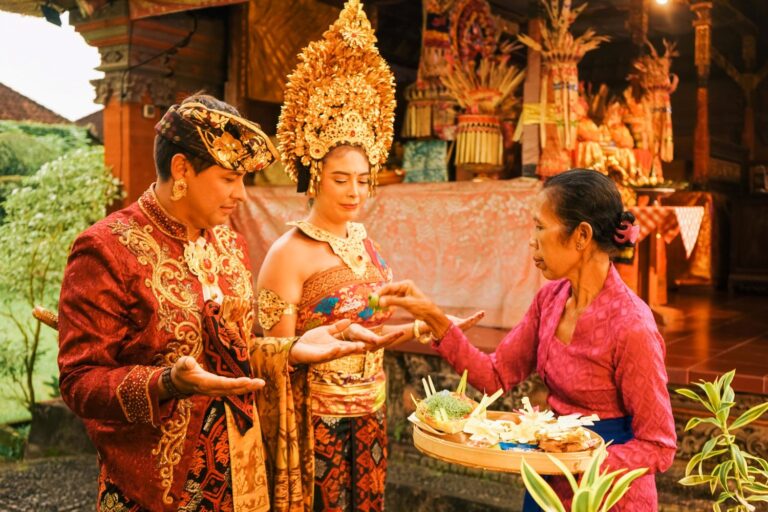
- Spiritual Purification (Melukat) Ceremonies – these are often carried out at Tirta Empul, the main water temple, but may be held at less-known springs. The guest can participate in ritual bathing for cleansing and renewal in Balinese traditions. The hotels arrange the priests, the correct attire, post-ceremony reflection space, etc., which makes it ideal for wellness-focused travellers.
- Sunset Temple Performances – including the famous Kecak Dance at Uluwatu Temple, many resorts can command VIP seating, dinner and transportation with pre-briefings on etiquette and what to expect during the show.
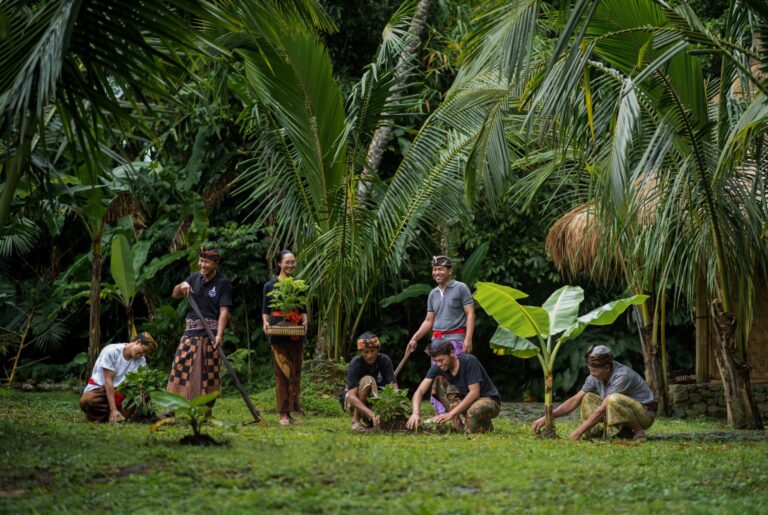
- Village And Temple Homestays Or Workshops – these are often in the Ubud-area nad involve visits to family compounds, learning to make canang sari offerings, spending time cooking traditional meals, and joining temple festivals. The COMO and Aman groups both emphasise village integration as part of their offering.
- Multi-Day Cultural Immersion Programs – these packages will include a variety of activities from yoga workshops, to temple visits, to Balinese dancing lessons, to wellness-oriented meals. Many of the high-end properties like 5elements and Six Senses include private priest consultations or behind-the-scenes-access.
You can find plenty of real-life examples of hotels working to deliver these experiences already. In Ubud, many of the hotels partner with the local banjars (like a community council) for authenticity in their programs.
Many resorts in places like Canggu, Seminyak or Nusa Dua will organise day trips to central temples, so that their guests can balance relaxation with cultural activities.
You’ll also find that luxury resorts now offer a cultural briefing during the check-in process and others provide etiquette guides in the room. They also have concierge services that help to support bookings and tours.
The best thing about these experiences is that they benefit the local economies, as hotels prioritise community-trained staff and sustainable practices.
Practical Tips To Prepare For A Cultural Adventure In Bali
We’ve also got some tips that can help you with temple visits in Bali:
- Best Time To Visit: We’d always go in the early mornings when you get the least crowds and the best temperatures. We’d never go to a festival unless we’d been invited, as the temples can get jam-packed and a bit uncomfortable.
- What To Bring: Always take modest clothing, a reusable water bottle, insect repellent, some cash for donations or sarong rentals, a camera (and a respectful attitude to use it with) and most of all, an open mind.
- Health And Logistics: Bali is super hot; stay hydrated. Find out if the temple requires you to do a lot of walking or climb stairs before you visit. It’s best to book your hotel excursions before you travel, particularly if you come during peak season (June-August and the Xmas/New Year period) to be sure of getting a slot.
The Rewards Of Cultural Respect In Bali
We don’t advise you to do this for no return. When you embrace the local etiquette and join hotel programs, you will find that they foster genuine connections with the island and its people.
You’ll see, first hand, the harmony brought about by Tri Hita Karana (the local philosophy of balance between people, the land they live on and the divine).
Some guests have reported feeling transformed, sharing stories of blessings, insightful conversations, new purpose and perspectives along with a profound sense of peace.
Most of all, you will be supporting the preservation of the essence of Bali, what makes it really special and help to safeguard the island from the impact of overtourism.
Final Thoughts: Deeper Travel In Bali
The good news is that temple etiquette in Bali is pretty straightforward once you know the basics. That is: dress modestly, move mindfully and be humble. Hotel-led cultural experiences can help to elevate your time in temples further by offering a curated gateway into the island’s heart and soul while ensuring you are both comfortable and compliant with local expectations.
So, next time you book a stay here in Bali, make sure to ask the hotel concierge about their cultural programs. Whether you witness the Kecak Dancing at Uluwatu, take part in purification at Tirta Empul, gaze out to see the stunning Tanah Lot or simply observe the daily offerings process at a local temple, you will leave with more than memories. You will carry a piece of the enduring spirit of the island with you, forever.
You might also appreciate learning about plastic-free and zero-waste projects in Bali as well as about what to expect from luxury hospitality here in the future.