
Ask anyone in hospitality in Bali, and they’ll tell you the same thing: seasonality shapes the guest experience and, of course, booking patterns. Bali’s tourism machine runs hottest from July to August and over the Christmas and New Year period, but we think that the sweet spot for discerning travellers is in the shoulder seasons.
These are the transitional periods from April to May and from September to October (with extensions into June or November at times) that deliver near-ideal weather conditions without the chaos that can be associated with the peak season.
For luxury travellers who value their privacy, personalised service, value and depth over crowds seeking Instagram moments, shoulder seasons are often the smartest choice. And let’s be clear about this, we’re not talking about compromising your experience, we’re talking about elevating it.
Defining Seasons In Bali Clearly
Bali sits almost on the equator and lies entirely in the tropics, which means it has two primary seasons:
- The Dry Season – which runs from May to October and, generally, is sunny and has lower levels of humidity, which makes it perfect for beaches and outdoor activities.
- The Wet Season – which runs from November to April, sees afternoon showers, lush vegetation and a greener landscape, ideal for tourists who enjoy exploring nature and temples. (Make sure you don’t fall for the monsoon myths, either).
The shoulder seasons bridge these two seasons at either end:
- April – May is the end of the wet season, transitioning to the dry season. You can enjoy lush rice paddies, warming seas and less rain.
- September – October is the end of the dry season with still reliable sunshine, fewer post-summer break crowds and calmer seas in many areas.
Peak high season is the July-August stretch, and that brings the highest levels of crowds, traffic and, of course, rates. And the true low season, in the core wet months, ignoring the Christmas period, brings low prices but a higher risk of rain. The shoulder seasons thus strike the perfect balance for luxury escapes.
Weather Realities In Bali’s Shoulder Seasons: Predictably Pleasant
Shoulder months on the island provide 70-90% sunshine days with much lower humidity than in the peak of the wet season. The daytime temperatures tend to hover around 26-30 degrees Celsius (79-86 degrees Fahrenheit), with cooler evenings for amazing outdoor dining.
Rain is always possible in Bali, even during the dry season, but it tends to be short and localised, and it rarely ruins your plans for a whole day, particularly in the Southern beach towns that most people visit the island to enjoy.
April – May sees rice terraces at their greenest in the post-rainy season environment. It’s a great time for photography and cultural immersion. The seas are calmer for diving and snorkelling, too.
September – October has clear skies, with great surf in some parts of the island, and there are fewer trade winds disrupting time on the beach. Underwater visibility is often superb at this time, too.
Compared to the relentless sun and heavy crowds in July-August or the heavy downpours between December and February, the shoulder seasons feel refreshing and manageable.
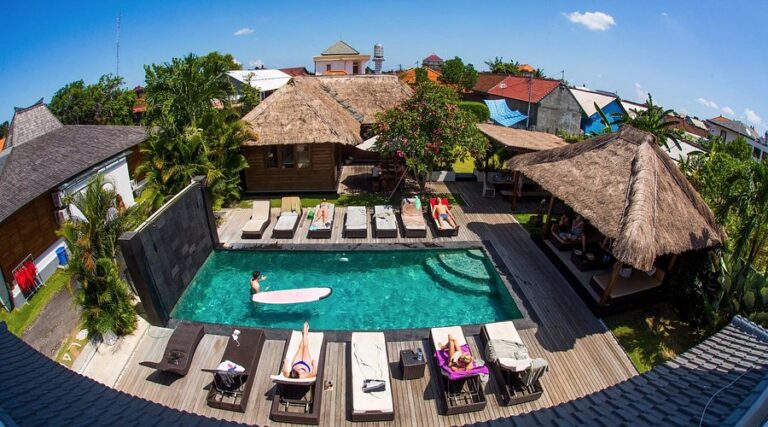
Luxury properties with covered pavilions, private pools and indoor-outdoor designs make any brief shower of rain an invitation to relax with some spa time or enjoy an in-villa dining experience.
Fewer Crowds Lead To Deeper Experiences
There’s no bigger advantage to shoulder season travel than this. In peak season, the best spots on the island, such as Uluwatu Temple, Tegallalang Rice Terraces, and Seminyak Beaches, all become bottlenecks.
The shoulder seasons restore some serenity:
- You can enjoy easier temple visits (e.g. Tanah Lot, Besakih, etc.) without long queues
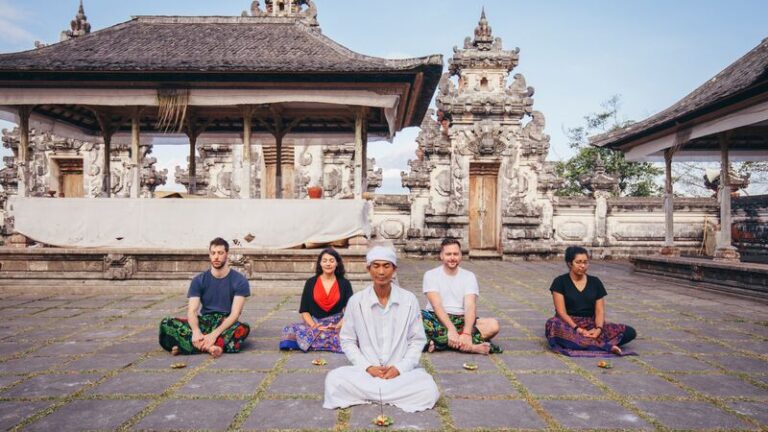
- Private yoga sessions and individual rice terrace walks are much easier without groups queuing to get in on the act
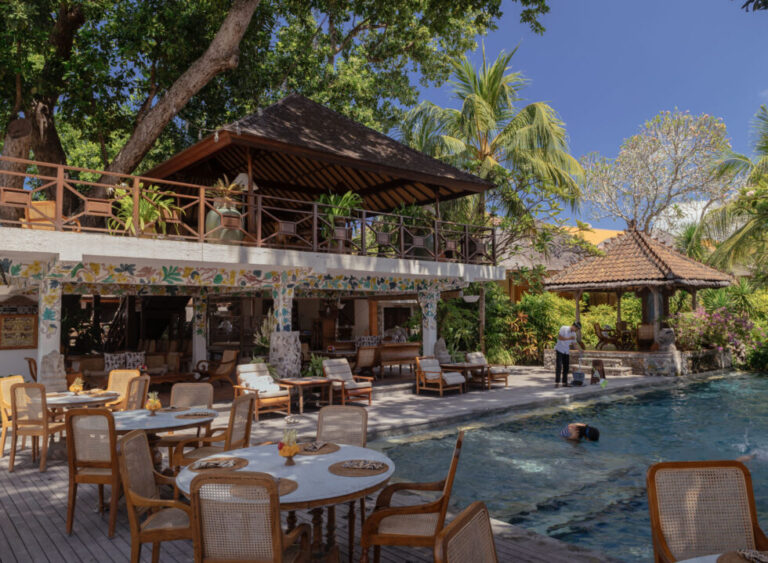
- Beach clubs and restaurants have better tables available, and service may be more attentive due to fewer guests
- Smoother traffic flows, yes, even in Ubud, Seminyak and Canggu
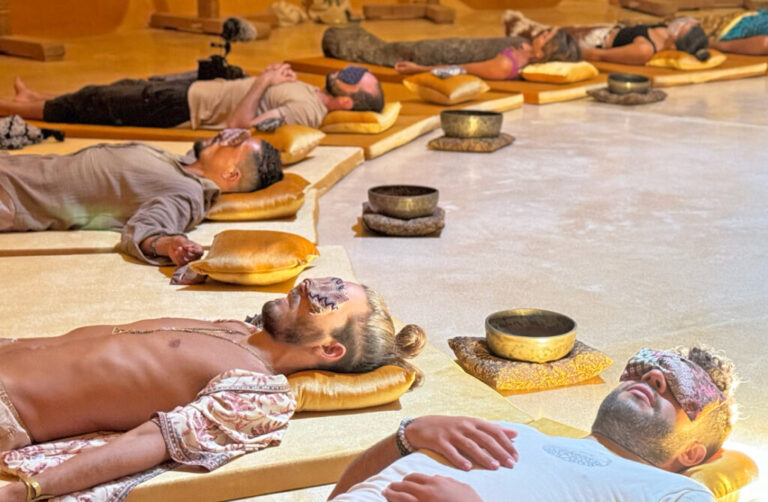
And for luxury travellers, this is easy to translate into exclusivity. A private villa feels truly private when the surrounding properties aren’t packed out. Staff-to-guest ratios improve, and that means a higher level of bespoke service and treatment. You can enjoy custom wellness programs or last-minute chef’s table bookings at top dining spots.
Many of Bali’s high-net-worth guests say it’s easier to feel like an “authentic” break, which connects to Balinese culture, with real opportunities for meaningful interactions rather than just the surface-level tourism of high season.
Significant Cost Savings Without Sacrificing Quality
Luxury in Bali during peak season can feel extractive at times, and shoulder seasons can deliver 20-40% savings on many accommodations, and they often come with upgrades and additional perks.
- Villa rates – a 3-bedroom luxury private pool villa might hit $800-$1,200 USD/night during August, and yet, it might drop to $550-$850 in May or September and come with freebies.
- Hotel suites and resorts – properties like Four Seasons (both at Sayan and in Jimbaran), COMO Shambhala, Raffles, etc. often run shoulder season promotions offering advance purchase discounts, spa credits and experience packages.
- Flights and transfers – lower demand means cheaper airfares and more availability in premium cabins.
- Experiences – private tours, helicopter transfers, yacht charters, and fine dining all become more accessible at this time of year.
Hidden Shoulder Season Perks For Luxury Travellers
Scratch the surface, and you’ll find plenty of extras on offer in Bali at this time of year to ensure you get even more out of your budget and your trip:
- Personalisation and Availability – top chefs, sommeliers, and spa therapists will have more bandwidth in the shoulder seasons. Bookings at iconic spots such as Mozaic and Kayuputi are more likely to result in success.
- Lush Photogenic Landscapes – April to May is all about vibrant greenery, and September to October gives a balance of clear skies and green.
- Wellness & Regeneration Focus – these seasons also perfectly align with regenerative travel trends. Properties can emphasise mindfulness, farm-to-table programs and community experiences when there’s less rush.
- Better Value On Premium Activities – Surf lessons, PADI certifications and courses, golf, multi-day yacht charters, etc., all cost less (especially from September to November) and still continue to deliver high-quality.
- Enhanced Privacy and Security – The gated luxury estates and private beach access areas feel more exclusive. Fewer guests mean quieter pools and common areas.
- Sustainability Edge – the lower occupancy ensures less strain on local resources (water, waste, etc.). Many regenerative hotels (e.g. those looking to operate circular principles) operate at maximum efficiency in these seasons.
Area-by-Area Shoulder Season Insights
- Ubud and Central Bali – These areas are magical in April-May because of the green rice paddies and lush jungle. It’s an ideal time for cultural luxury tourism with private temple tours, wellness retreats and art workshops.
- Seminyak and Canggu – The jewels of the beach scene are vibrant but manageable at this time, and the beach clubs are a little less crowded. It’s a great time for solo travellers, couples and families, particularly foodies.
- Uluwatu and the Bukit Peninsula – The cliff-top views are even more dramatic without the volumes of visitors, and it’s a great time for dramatic sunsets and private villa living.
- Nusa Dua and Jimbaran – The big-name resorts are at their calmest, which is ideal for luxury living. The golf courses, beaches and spas are all much less crowded too.
- North Bali (Lovina, Pemuteran, etc.) – The quieter shoulder months make for better diving and black sand beach escapes and easier drives to get there.
Potential Shoulder Season Drawbacks And How To Mitigate Them
The shoulder season months aren’t without their drawbacks, but you can mitigate them:
- Occasional heavy rain – it won’t be a lot, but it’s best to choose properties with strong indoor amenities and with some covered outdoor spaces
- Slightly variable weather – keep an eye on the weather forecast and remember that flexible plans win
- Some businesses have reduced hours – so keep an eye out for this or stick to established luxury operators
Of course, these are minor issues compared to the peak-season frustrations of endless traffic jams and fully-booked experiences.
Real Traveller And Industry Perspectives
Our own data shows rising interest in “Bali shoulder season luxury” travel and “Bali May/September Villas”. Luxury properties report higher repeat rates and satisfaction scores from shoulder season guests; they often cite “peace” and “value” as their reasons for returning.
2025-2026 tourism forecasts show strong overall growth in travel to Bali, with over 7 million international arrivals expected, but the shoulder and shoulder-adjacent months are gaining share as travellers seek balance in their holidays.
How To Plan Your Ideal Shoulder Season Luxury Escape
There is a knack to getting the best out of this part of the year, and we’d recommend:
- Booking 2-4 months ahead – you will get the best deals at this time because the discounts are based on previous years’ data. Leave it too late, and the properties assume you have to travel, and prices go back up again
- Leverage package deals – check out the whole offering from each hotel, you’ll often find that this is the time of year for free champagne or temple tours, to enhance your stay
- Combining areas for more holistic breaks – spend a few days in Canggu, then move on to Ubud and finish up in Sanur, for example, experience everything Bali has to offer
- Focus on regenerative properties – these properties are more than a place to sleep, they’re there so that you can actively give something back to the island. They’re in keeping with the values of truly ethical travellers
- Monitor events – there may be season-specific festivals that you want to participate in and others that you want to avoid because they may bring crowds
Final Thoughts: Bali’s Shoulder Seasons Are The Smart Luxury Choice
Shoulder seasons can reveal Bali at its most refined. You can enjoy world-class weather reliability, dramatically improved value for money, deeper cultural access and the kind of privacy that real luxury demands, and you can avoid the exhausting peak season crowds.
For travellers who’ve visited Bali many times, shoulders should become their preferred window of return. For first-timers, it’s the best time to discover the island at its most generous and giving rather than being overwhelmed.
In an era of conscious, regenerative travel, choosing the shoulder season signals your sophistication as a traveller. You’re not just visiting paradise, you’re experiencing it in a sustainable and intimate fashion.
Whether you’re looking for a romantic getaway, a multi-generational family reunion or a solo wellness trip, Bali’s shoulder seasons give real but hidden advantages to help elevate your stay into something truly memorable for all the right reasons.
Bali rewards people who time their visit wisely. The shoulder seasons are waiting to show you why.
Check out our other guides to farm-to-table dining here in Bali and on the growing appeal of digital nomad friendly luxury accommodation.