One thing that’s certain, as we spend more and more time immersed in the hotel scene here in Bali, talking to owners, consultants, guests and more and as the island evolves through the pandemic, booms and busts, there’s a genuine tension between authenticity and exclusivity.
Bali’s luxury tourism market is currently thriving, but it has also reached something of a crossroads. Guests to the island crave genuine cultural immersion, raw natural beauty and a touch of the spiritual, but at the same time, they demand privacy, personalisation and that polished perfection that ever-increasing rack rates must deliver.
The question that comes to us is not which one wins, but rather how does the island master both? It will be this balance that defines genuine success in the luxury hotel industry in Bali today.
The Rise Of Luxury Hospitality In Bali: Context And Momentum
In recent years, Bali’s luxury segment has rebounded from the crisis caused by the pandemic, and it has evolved. International arrivals have climbed back to and then beyond pre-pandemic levels, and luxury properties lead in average daily rates (ADR) and RevPAR (Revenue Per Available Room) growth.
High-net-worth travellers are seeking more than just sun, sand and spas; they want transformative experiences rooted in the places they visit.
That means luxury is no longer just marble bathrooms and private pools. It’s becoming defined by experiences, authenticity and privacy. Boutique villas and small-scale resorts can often outperform larger complexes because they deliver emotional value and bespoke, memorable moments.
In particular, demand for premium villas is skyrocketing, with notable increases in both occupancy and rates driven by personalisation and sustainability. This is in stark contrast to the overall villa market in Bali, which is currently in the doldrums due to a state of severe oversupply.
However, there’s no doubt that this growth is bringing serious challenges to the island, too. Overtourism is straining infrastructure, water resources and cultural integrity.
Rice terraces have been lost as plots for villas, traffic can choke the roads of Seminyak, Ubud and beyond, and sadly, all too often, sacred sites can be nothing but opportunities for influencer photo-ops.
Luxury property owners have to navigate this environment carefully. Exclusivity can mitigate some of the pressures of limiting numbers, but only if it’s paired with genuine respect for our local communities and ecosystems.
Defining Authenticity In A Commercial World
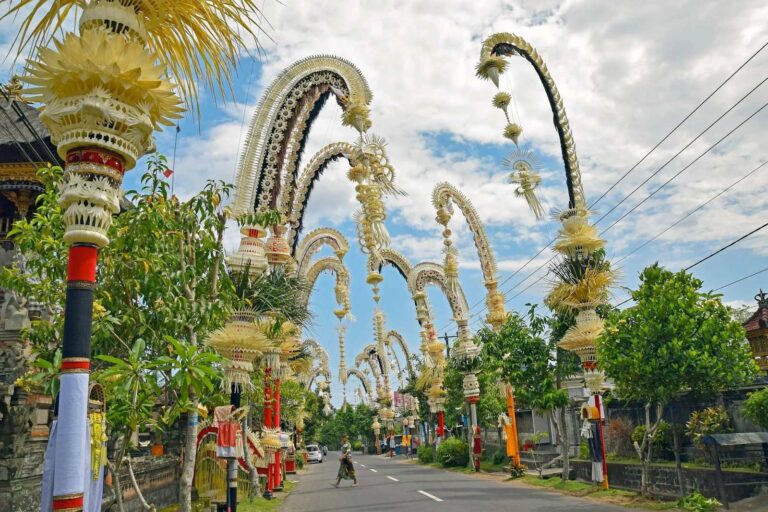
Authenticity in Bali means forging connections with the island’s Hindu-Balinese traditions, to its agrarian roots, to the spiritual essence of the place and most of all to its people. We’re not talking some form of performative action; we mean real integration.
So, for example, think of morning offerings (the ubiquitous canang sari) that are prepared by staff who truly participate in the local village temple ceremonies. Or chefs that source ingredients from nearby farms and who involve guests in harvesting or cooking classes that honour generational knowledge.
Properties like Amandari in Ubud or Tandjung Dari in Sanur have long exemplified this kind of behaviour: using architecture to evoke echoes of traditional Balinese compounds, drawing their staff from surrounding villages in order to bring their cultural knowledge in as a real, tangible asset and running programs that support rather than commodify local rituals.
We also believe that authenticity in the modern era must include environmental stewardship. Bali’s major ecosystems: rice paddies, coral reefs, jungles, etc., are integral to its identity.
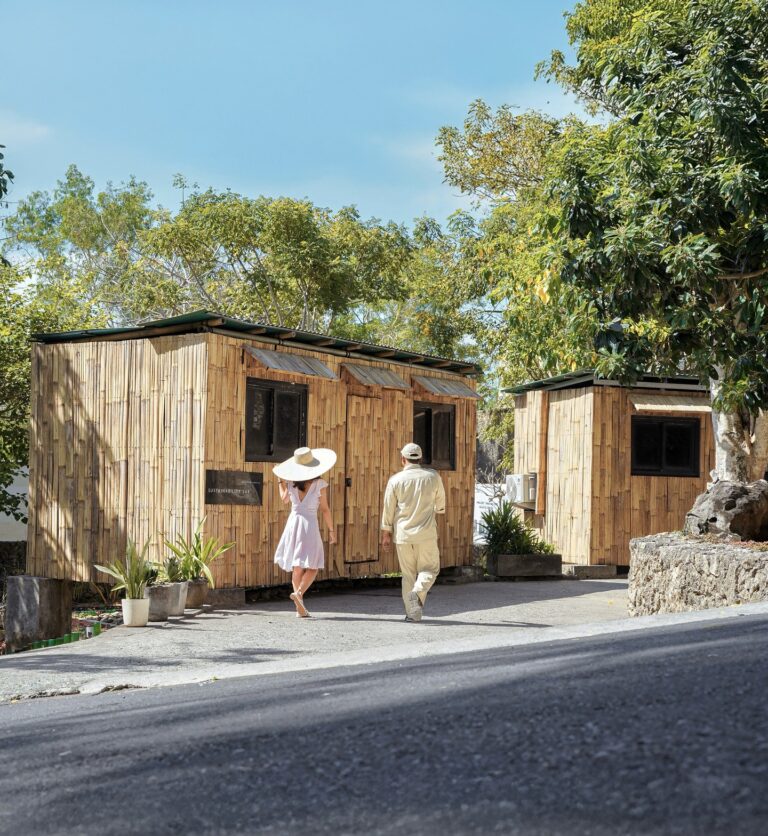
So, for example, eco-luxury properties using local materials such as bamboo, reclaimed teak, and volcanic stone combined with solar power, water recycling and regenerative practices offer more of “Bali” than resorts using imported luxury materials.
Guests notice and reward this behaviour too; eco-certified villas on the island are often those with the highest levels of occupancy and repeat visitor loyalty.
But this comes with a risk. “Authenticity theatre”, where resorts stage dances shortened for tourists, bring in generic priests to deliver “blessings”, source “farm-to-table” from Java or Sulawesi, etc.
Savvy luxury travellers, repeat visitors, long-stay digital nomads now turned luxury seekers, can often spot this instantly, but newbies may need help to spot it.
The Allure And Limits Of Exclusivity
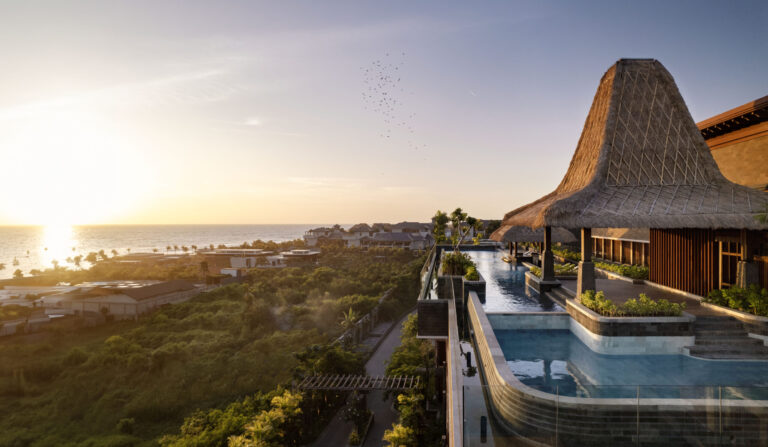
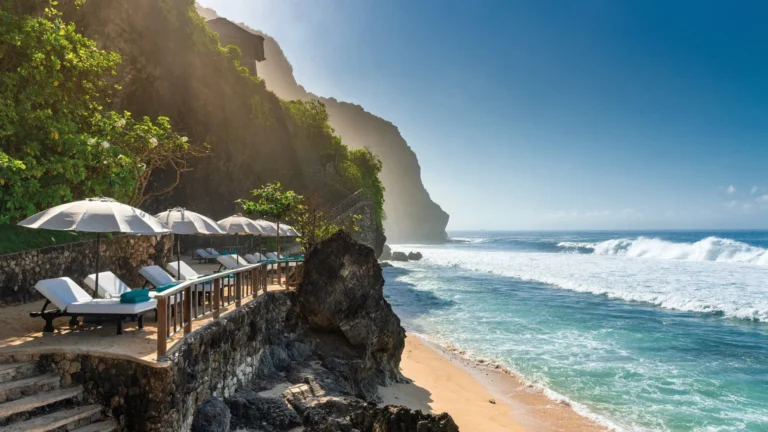
Exclusivity is a major selling point. Private villas with their dedicated butlers, infinity pools with views over pristine beaches and empty cliffs, helicopter airport transfers, and access to private funiculars to parts of the coast others cannot easily access (as at Bvlgari Resort). This provides a “I own a slice of paradise” feeling like no other.
Resorts like Amankali on the East Coast and Soori on the Bukit Peninsula master this kind of “invisible luxury”. They provide spacious villas with impeccable service that anticipate the needs of guests without intruding on their spaces, and they deliver a serene sense of isolation. https://bestresortsbali.com/reviews/soori-bali-tabanan-review/
Properties like these command premium rates because they offer something truly rare: space, time, and freedom from crowds.
In this era of overtourism and influencers on every street corner, exclusivity protects your own experience. Gated, low-density developments shield their guests from traffic, hawkers, other tourists, etc., while minimising their own impact on local resources.
Branded residences and ultra-private estates in Bali are booming for these exact reasons.
There are downsides to exclusivity, though. It can often feel sterile or disconnected from the island itself, imported design sensibilities, staff flown in from overseas, menus heavy on international rather than local flavours, etc.
Sure, guests will leave with beautiful photos to fill up their Instagram accounts, but they will also have little sense of having touched Bali’s heart or soul. And over time, this erodes the very unique properties of this island that draw them here in the first place; it becomes “anywhere luxury” rather than a special and unmistakable experience.
Finding A Balance: Strategies That Work
That means successful hotels must bring both authenticity and exclusivity together as complementary, not contradictory, resources for their guests. Here’s how it works:
Low-Density, High-Impact Design
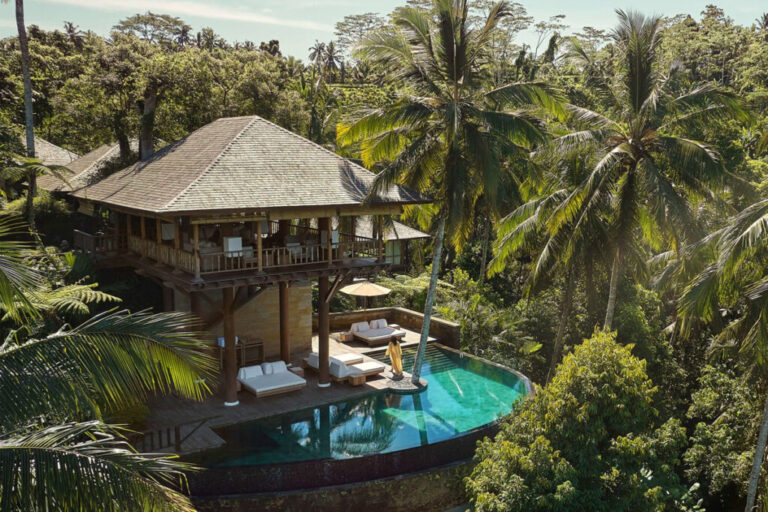
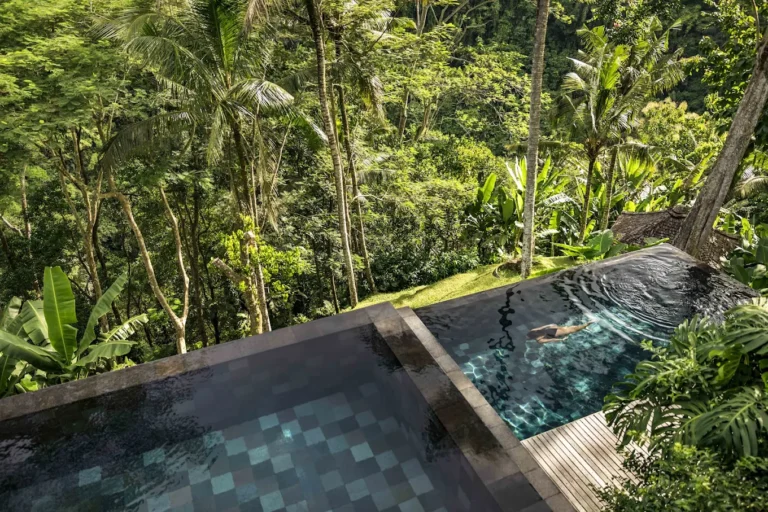
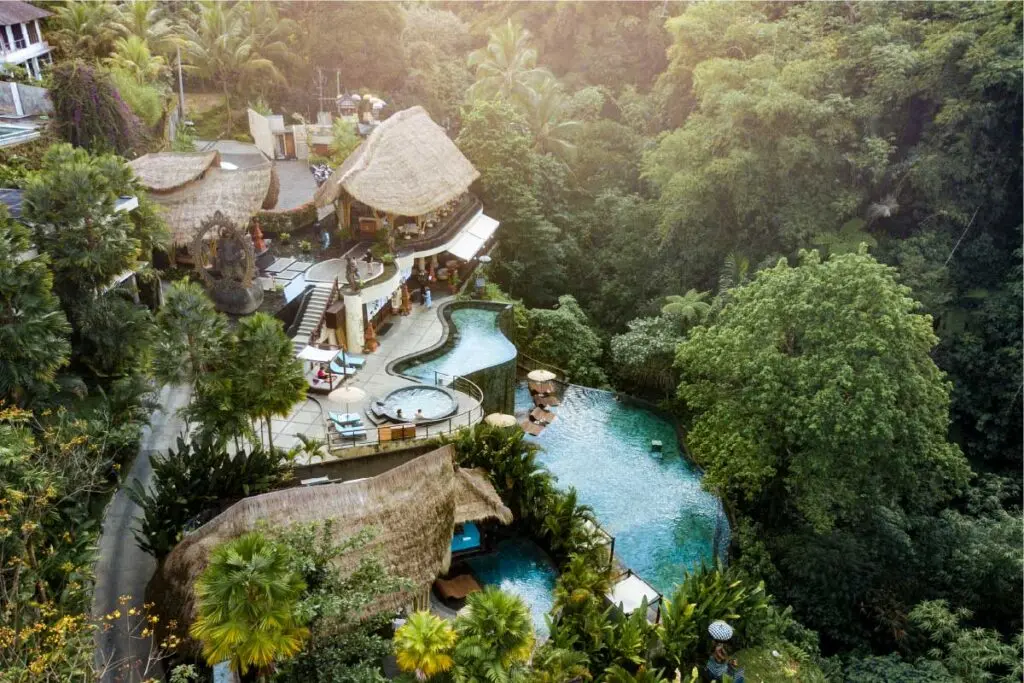
Boutique designs allow for deeper integrations with the surroundings. That means under 50 keys on the site. Villas can be nestled into the jungles or cliff faces using a biophilic design that delivers open-air living, natural ventilation and flavours of local craftsmanship. This, in turn, makes the property feel like an extension of the island of Bali rather than something imposed on it. Four Seasons Sayan and Alila Villas Uluwatu are superb examples of this blend of refined luxury and environmental sensitivity.
Community-Centric Models
It doesn’t stop with buildings; the best properties employ predominantly truly local staff, they invest in training and channel some of the returns into village projects such as temples, schools, waste management facilities, etc. Guest experiences also include respectful participation in real ceremonies (with the consent and guidance of local people), visits to non-touristy villages and supporting local artisan cooperatives. This helps to create a level of authenticity built on goodwill and protecting exclusivity in the long-term.
Curated, Personalised Immersion
Nothing says “exclusive” quite like genuinely bespoke offerings: private temple blessing ceremonies timed to lunar calendars, guided rice-field walks at dawn with a local farmer, or a wellness program that incorporates traditional Balinese healing practices such as boreh scrubs or energy work. Technology can be used to assist in making things special, and apps can really help with customisation, but they must never replace human connections.
Sustainability As Luxury
There are serious table stakes in the luxury industry now, and they include regenerative practices such as reforestation, marine conservation and a zero-waste ethos. Guests who pay top dollar for a holiday expect to see some of those dollars benefit the place they stayed in. Think somewhere like the stunning no-walls Buahan, a Banyan Tree Escape, or places that emphasise running a carbon-neutral operation.
Storytelling And Transparency
It’s important for both the marketing and the property to tell stories above and beyond the expectations of guests. For example, they might relate how the wood used in the house was reclaimed from an old joglo, or how the chef’s grandma taught her recipes that had been in the family for generations, rather than employing generic “paradise island” vibes. On-site, but subtle, education (e.g. no lectures) can help guests to appreciate and respect the local culture.
Case Studies From The Front Lines – Where To Find This Balance, Right Now
The good news for discerning travellers is that this market is already emerging in Bali if you know where to look:
- The Aman Properties (Amankila, Amandari, etc.): the absolute masters of understated exclusivity rooted in Bali’s culture and presence. The service feels like Balinese hospitality and is never corporate. Cultural programs offered are deep but wholly optional.
- Independent Boutiques (e.g. Hotel Tugu or Tandjung Sari): these places are full of historic character, boast of family ownership and demonstrate unhurried excellence. They are lived-in and loved, and they provide exclusivity through intimacy rather than through showy displays.
- Eco-Luxury Leaders (Alila, and many emerging regenerative boutiques): these resorts provide proof that sustainability enhances exclusivity and promises a pristine, future-proof environment.
Larger brands can succeed when they decentralise decision-making and give local teams freedom, combined with limiting their density in sensitive areas.
Challenges And The Road Ahead For Bali
Tourism in Bali continues to face significant challenges, including overtourism in certain areas, land conversion (hundreds of hectares annually are lost from agriculture and used for residential and tourism), and cultural commodification, which is a real threat.
The government is considering hotel moratoriums in saturated areas, signalling that regulatory pushback is coming.
Luxury players are better able to lead by advocating for better infrastructure, supporting carrying-capacity studies and shifting the emphasis from low-value, high-volume tourism to higher-value, lower volume.
They can also help bring about longer stays, investments in wellness retreats and experiential travel to align with these goals.
Final Thoughts On Finding Harmony To Secure The Future Of Bali’s Luxury Hospitality Trade
The winners aren’t those choosing authenticity or exclusivity; they’re the players crafting experiences so firmly and deeply rooted in Bali that exclusivity emerges from the rarity value and respectfulness.
Guests don’t just want to escape the world they come from; they want to connect more to a place that feels timeless while they enjoy first-class comforts.
The properties that thrive in 2026 and beyond will understand that Bali isn’t a backdrop for a holiday, it’s the protagonist. They will protect the tropical rhythms of life, empower its people and invite guests to share their story with grace and firm boundaries.
Hoteliers and villa owners trying to achieve this should start by auditing their operations. Are the staff truly local and valued? Do your guest experiences honour or extract value? Does your design enhance or erase the local landscape?
For travellers, you can seek places where luxury feels earned through genuine care, not just through the cost of a room.
Bali’s true magic is its ability to absorb and transform. The luxury hospitality industry here can do the same, evolving a model where exclusivity protects authenticity and that authenticity makes exclusivity meaningful.
That balance isn’t just good for your business, it’s the only way to ensure that Bali remains an extraordinary destination for generations to come. If you’d like to keep your body in balance in Bali check out our piece on yoga and wellness here and you might also enjoy our “how to choose the right accommodation in Bali” piece too.