In the lush landscapes of Bali, where the rice paddies run over the hills like emerald staircases and the air carries the sweet smell of frangipani and incense, hospitality isn’t merely a service; it’s a sacred way of life.
Ancient Balinese principles continue to shape the world’s most exclusive island resorts. Luxury travellers to Bali don’t just seek out plush daybeds and infinity pools; they’re on the hunt for something authentic, somewhere they can connect to and feel a profound sense of belonging.
This is where traditional Balinese hospitality shines; it can transform modern luxury into something more, something with a soul.
From the warm sembah greeting to the Tri Hita Karana philosophy, these timeless Balinese values help to elevate the five-star experience beyond the standard opulence of similar resorts elsewhere on the planet.
In this article, we’ll explore the core principles of Balinese hospitality and how they’re being integrated into contemporary luxury hotels. We’ll provide real-world examples and show why this fusion of the ancient and modern is the key to Bali’s enduring appeal as a world-class luxury destination.
The Foundations Of Balinese Hospitality: It’s More Than Just Smiles
Balinese hospitality has its roots in the Hindu-Dharma culture unique to this one island in the Indonesian archipelago. It’s what sustains communal village life.
Unlike transactional Western models of hospitality, it’s rooted in a concept called “ngayah” which is a “selfless contribution to the community” and a genuine desire to make every guest feel like an honoured member of the family.
The Key Principles of Balinese Hospitality Include:
- Tri Hita Karana (The Three Causes of Prosperity) – this cornerstone of Balinese beliefs emphasises the need for harmony between people (Pawongan), God (Parahyangan) and nature (Palemahan). It can be found in everything from the architectural choices in a hotel’s design to the daily operations of service staff; it constantly promotes a healthy life balance and sustainability.
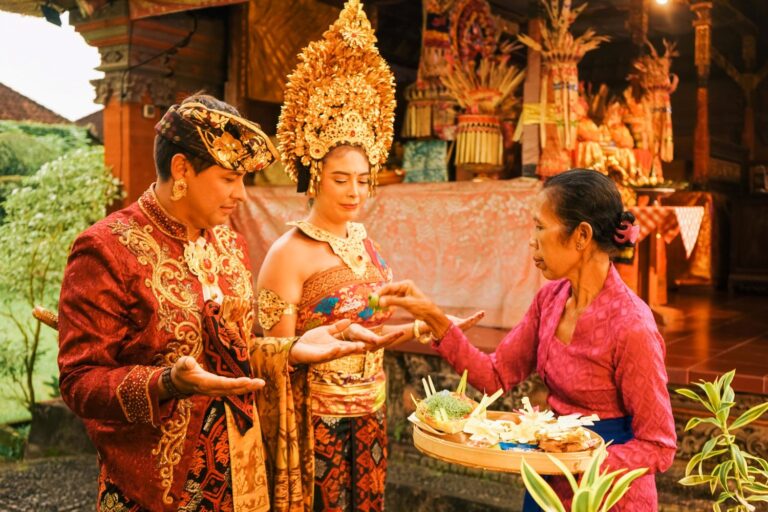
- Sembah and a Heartfelt Welcome – the traditional “sembah” greeting with palms pressed together, a slight bow, and direct eye contact is about respect and presence. It’s not something that’s scripted, either; it’s sincere. Guests are often greeted at a hotel with a sembah, some fresh coconut water, a floral offering and sometimes, even a blessing from a local priest.
- Home-style Warmth and a Communal Spirit – Traditional Balinese homes feature open “bale” pavilions that double as guests’ quarters. And resorts often model themselves around this to ensure that lobbies feel like an extended family compound space, which encourages interaction between guests and members of the resort team.
- Rituals and mindfulness – from canang sari offerings daily, to temple ceremonies and a great respect for the environment, you find a real spiritual depth that infuses every guest interaction with meaning.
Tri Hita Karana In Luxury Resort Design And Operations
The principle of Tri Hita Karana is the cornerstone of Bali’s upscale hospitality industry. Nearly every property on the island explicitly aligns with it. There are even local awards for excellence in this area of design and management.
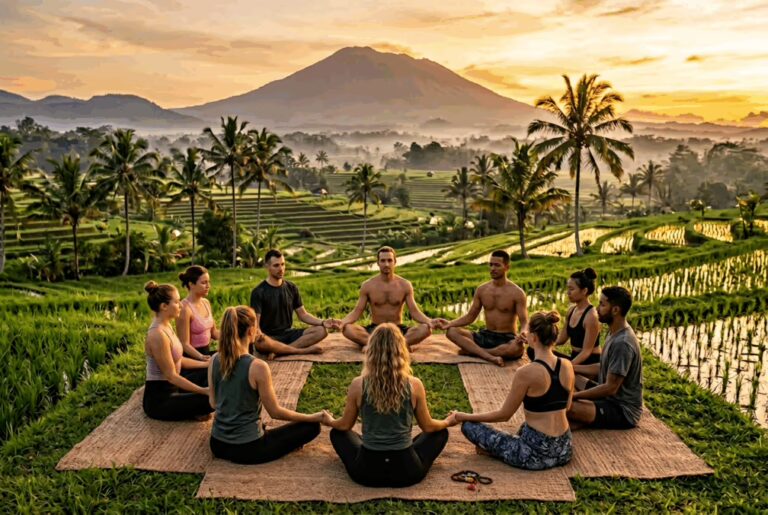
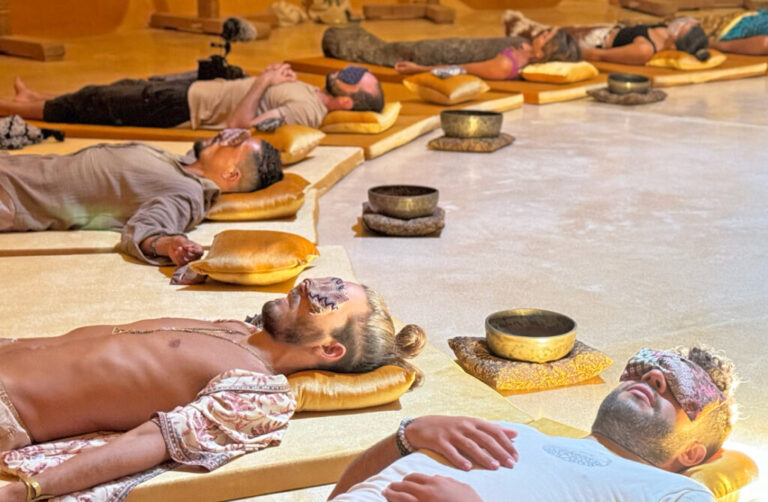
- Parahyanagan “Harmony with the Divine” – luxury hotels will often have an on-site temple or sacred space for the use of guests and staff. The traveller can participate in or witness blessings or meditation sessions. Some resorts also offer full-day (or more) Tri Hita Karana programs of tours, yoga classes and rituals. For example, Four Seasons Bali Resort at Sayan has several programs that are based on this philosophy, including temple visits and sacred river spa treatments.
- Pawongan “Harmony Among People” – this manifests in the personal, intuitive service that pervades the high-end resort market here. Staff, usually drawn from local villages, treat the guests with familial warmth. Their training emphasises empathy and interaction over blindly following processes or procedures. You can see this in attentive (but never intrusive) butler services, cultural immersion programs such as cooking classes or dance lessons and in the community engagement programs.
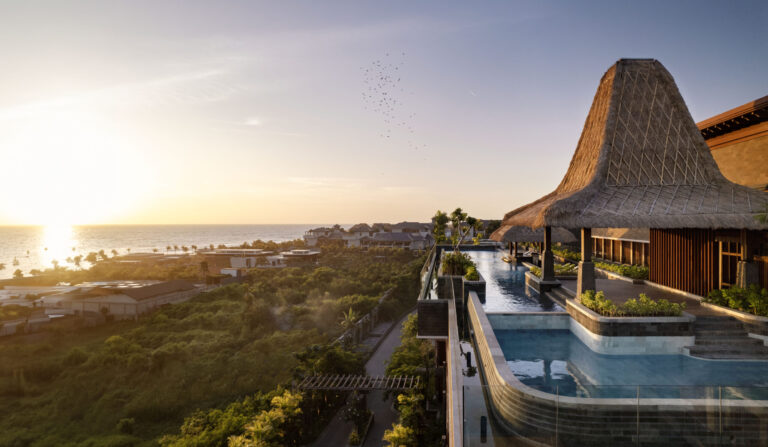
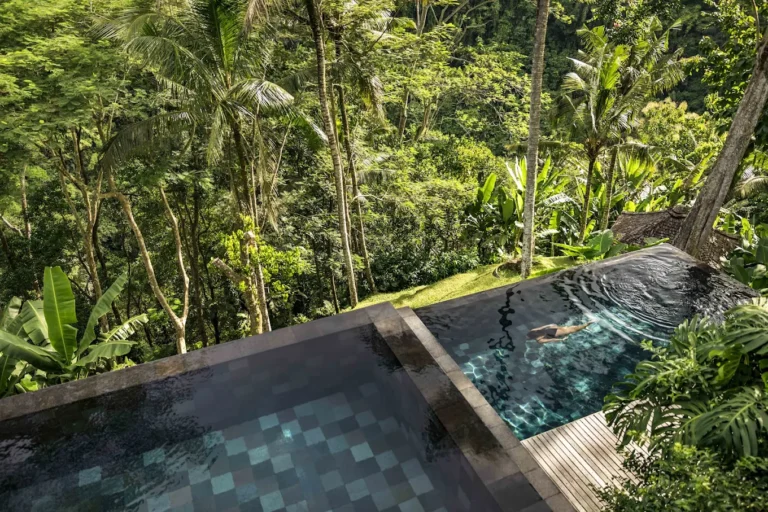
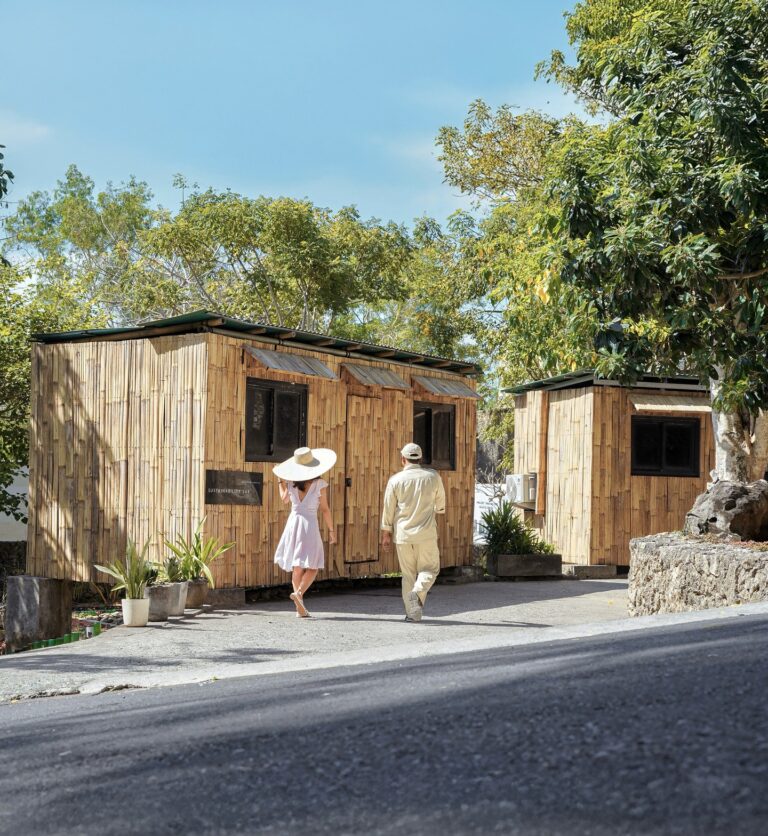
- Palemahan “Harmony with Nature” – in traditional Bali, sustainability isn’t a buzzword, it’s a way of life. The only UNESCO World Heritage Site on the island is its sustainable agricultural Subak System. Resorts use local materials such as teak, bamboo, alang-alang thatch, reduce plastic wherever possible, source their producec from nearby farms (or grow it themselves), and design to enhance the existing landscape rather than to replace it. Infinity pools blend with rice terraces, villas enjoy open-air concepts that honour the environment and waste-reduction initiatives reflect the deep respect for Palemahan.
This holistic approach helps to create spaces that are both luxurious and grounded; they particularly appeal to wellness-focused, conscious travellers.
Architectural And Experiential Integration
Modern luxury hotels in Bali have masterfully blended contemporary design with more traditional elements. Stand-alone villas often artfully mimic family compounds with private gardens, outdoor “bales”, and provide spaces for offerings.
Open-air architecture maximises the natural ventilation and views, which, in turn, reduces energy consumption and enhances the overall sensory experience for the guest.
Experiences draw directly from traditions:
- Welcome rituals – more and more properties offer priest-led blessings or canang sari placement rituals upon arrival.
- Culinary journeys – farm-to-table dining helps to highlight Balinese ingredients and communal feasting traditions. Guests can learn to prepare lawar or babi guling in hands-on classes.
- Cultural immersion – performances, village visits, tours, and artisan workshops help to connect guests with local life without commodifying it.
- Spa and wellness – treatments will incorporate healing practices from Balinese traditions, local herbs and spiritual elements alongside modern luxury and cutting-edge practices.
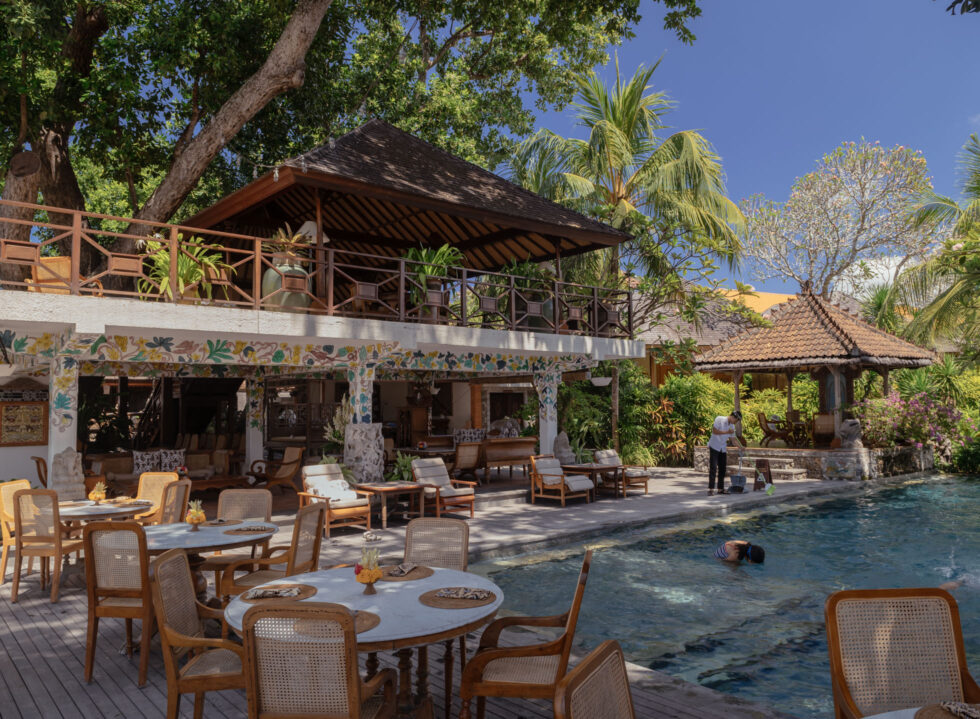
Properties like Amandari, which is designed like a traditional village, or historic gems such as Tandjung Sari in Sanur are great examples of this blend of timeless elegance, which is firmly rooted in village aesthetics.
Case Studies: Luxury Hotels Leading The Way In Bali
It’s very easy to find resorts that exemplify the principles and practices outlined above, and these include:
- Four Seasons Resorts (Jimbaran Bay and Sayan) – these are fabulous examples of Tri Hita Karana in action. The Jimbaran location offers beachside luxury combined with very strong community ties, and the jungle setting of the Sayan property emphasises cultural and environmental harmony. Their guest programs and design have set the industry benchmark for years to come.
- Aman Resorts (Amandari, Amankila) – this chain was an early adopter of the village-inspired layout for luxury properties. They deliver understated elegance and luxury with a profound sense of cultural respect. The service at these resorts always feels personal and truly intuitive.
- Mulia Bali and many other 5-star resorts – the sembah greeting and staff gestures embody true cultural meditation. Service isn’t just something you pay for at these resorts; it’s a meaningful experience.
- Boutique and Independent Properties – hotels like Hotel Tugu in Canggu or smaller villas often integrate family-style service offerings, local sourcing, ritual participation and more to win loyalty through authenticity that big chains can never hope to match.
However, that’s not to say that the biggest properties can’t adapt; you will see resorts like the InterContinental refresh spaces for a more modern touch with a genuine nod to Balinese signature hospitality pieces.
Benefits Of Traditional Balinese Hospitality For Guests And For The Industry
For travellers, this influence of traditional hospitality elements means:
- Deeper connections – that means experiences that foster genuine bonds between the island and the guest. It also leads to a higher level of cultural appreciation.
- Wellness and mindfulness – the principles of harmony support mental and spiritual rejuvenation.
- Sustainability – these principles deliver a form of ethical luxury that minimises the environmental footprint of the holiday.
- Memorable authenticity – most of all, it helps to differentiate the resort experience from generic resort experiences elsewhere in the world.
And for Bali’s hospitality sector, it sustains a level of cultural pride, it supports local economies through employment and sourcing, and it builds resilience in the face of “overtourism” critiques.
That’s not to say that challenges to this approach don’t exist – they do. Balancing modernisation with tradition is a fine art; managing overtourism and ensuring the benefits of this kind of travel reach local communities is also not straightforward.
Forward-thinking operators will prioritise community involvement and regulatory compliance for culturally sensitive development. And in the long term, that’s a win-win for everyone involved.
Final Thoughts On Timeless Balinese Principles In A Changing World
As Bali’s tourism industry evolves, it’s the traditional hospitality that provides an anchor to the island’s way of life. In this post-pandemic era, many people are travelling to seek meaning and Balinese values deliver just that.
We expect future integration of wellness technologies into ancient rituals, even deeper community partnerships, and regenerative tourism models.
That’s because luxury isn’t just about what you give people, it’s also about what it makes them feel. In Bali, employing these techniques means people feel like they belong, and it fills them with respect and wonder.
Whether you’re planning a honeymoon in the hills of Ubud or a family getaway in Canggu, seek properties that honour the spiritual and ethical roots of the island. Then, you’ll find more than just a hotel; you’ll experience the living heart of Bali.
If you’re ready to experience this yourself, you should. Explore Bali’s luxury resorts with an open heart, and the island’s ageless spirit of hospitality is ready to welcome you home.
You should also take a peek at how surf culture is being integrated into the island’s hospitality or our guide on how to choose a hotel room.